


Aesthetic treatment has changed dramatically over the last decade. Anti-aging is no longer about chasing wrinkles with a single procedure or relying on trends that promise instant transformation. Instead, modern aesthetic medicine looks at skin as a living organ—one that responds to hormones, inflammation, sun exposure, lifestyle, and time.
When approached thoughtfully, anti-aging treatments can support skin health, slow visible aging, and help patients look refreshed without looking altered. The most effective results come from medical insight, not shortcuts. Physicians trained in aesthetic medicine understand that youthful-looking skin is built gradually through prevention, regeneration, and precision.
Anti-aging treatments are not about reversing time overnight, but about guiding the skin’s natural repair systems so it continues to function and look its best. If you want results that age well, the science behind the treatment matters just as much as the treatment itself.
The Foundation of Aging Skin: The A-B-C-G’s
Before devices, injectables, or advanced procedures come into play, aging skin needs the right biological signals to stay resilient. In physician-led aesthetic medicine, treatment plans begin with core ingredients that support cellular turnover, collagen production, and protection from ongoing damage.
These four components form the backbone of every effective anti-aging strategy.
- A – Vitamin A (Medical-Grade Retinol). Vitamin A is one of the most studied ingredients in dermatology for aging skin. Medical-grade retinol supports cell turnover, improves texture, and stimulates collagen over time, helping skin appear smoother and more refined with consistent use.
- B – Broad-Spectrum Sunscreen. Sun exposure is the leading external cause of premature aging. Broad-spectrum sunscreen protects against both UVA and UVB rays, reducing collagen breakdown, pigmentation changes, and long-term skin damage that no procedure can fully undo.
- C – Medical-Grade Vitamin C. Vitamin C plays a critical role in collagen synthesis and antioxidant defense. In medical-grade formulations, it helps brighten skin, improve tone, and protect against environmental stressors that accelerate visible aging.
- G – Growth Factors and Peptides. Growth factors and peptides send signals to the skin that support repair and regeneration. These ingredients help aging skin recover more efficiently, strengthening the skin barrier and supporting long-term firmness and vitality.
Together, these four actives create an environment where anti-aging treatments can work more effectively. This is why physician-guided care emphasizes skin preparation and maintenance alongside in-office procedures.
What Is Aesthetic Medicine?
Aesthetic medicine sits at the intersection of science, skin health, and subtle enhancement. It focuses on improving appearance through clinically guided treatments that support how the skin and underlying structures age over time.
Unlike cosmetic trends that aim for dramatic or short-term change, aesthetic medicine prioritizes balance, proportion, and long-term skin integrity. Physician-supervised aesthetics involves understanding anatomy, physiology, and how different treatments interact with the skin at various life stages.
From medical spa treatments and medical-grade facials to advanced skin treatments and clinical aesthetic procedures, every intervention is selected with safety, appropriateness, and longevity in mind.
The goal is not to change how someone looks, but to help them look like the healthiest version of themselves.
How Doctors Approach Anti-Aging Treatments
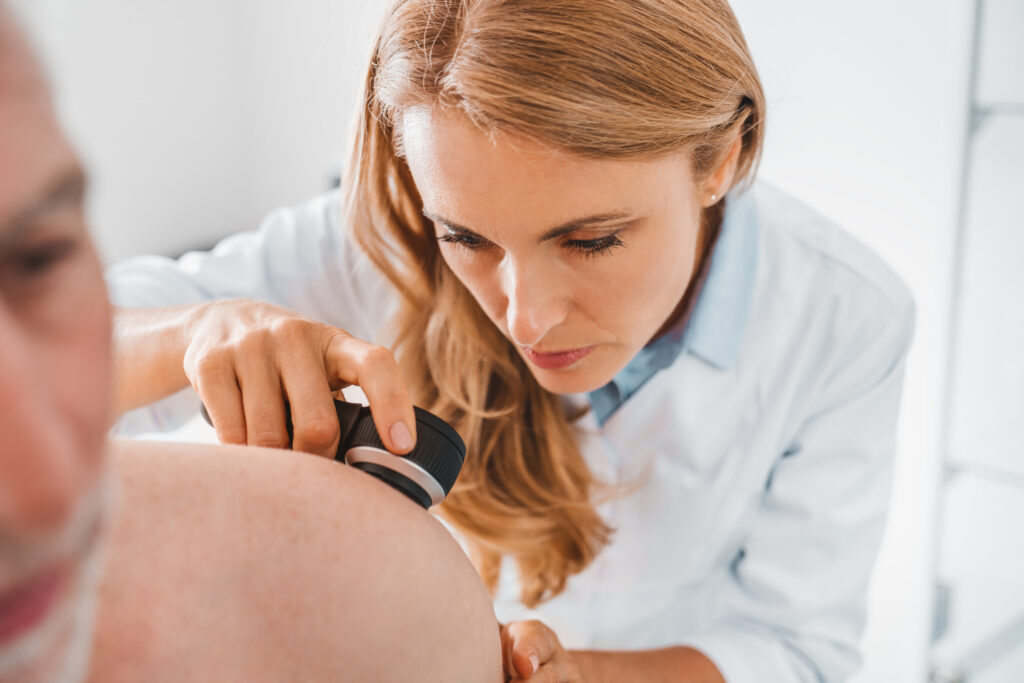
Physician-led aesthetic medicine follows a very different philosophy than trend-driven or volume-based practices. Instead of chasing visible aging after it appears, doctors approach anti-aging as a long-term health strategy—one that protects skin biology, supports regeneration, and evolves alongside the patient.
Each decision is grounded in anatomy, physiology, and risk management, not marketing trends.
1. Prevention Before Correction
Doctors understand that once structural damage occurs—collagen loss, elastin breakdown, chronic inflammation—it becomes far more difficult to reverse. That’s why physician-led anti-aging starts early, often before patients see obvious wrinkles or laxity.
Preventive strategies such as sun protection, barrier repair, and collagen preservation are introduced proactively to slow the biological aging process. This approach reframes anti-aging from “fixing problems” to preserving function.
By reducing cumulative damage early, patients often need fewer corrective procedures later, and results look more natural over time.
2. Skin Quality Over Isolated Wrinkles
Rather than treating wrinkles as isolated flaws, physicians evaluate the overall quality of the skin. Texture, hydration, tone, elasticity, vascular stability, and pore structure all contribute to how youthful skin appears. A single wrinkle can look softer simply by improving these underlying factors.
This holistic view leads doctors to prioritize treatments that improve skin health globally. When skin is hydrated, evenly toned, and resilient, signs of aging become less prominent without aggressive intervention.
3. Gradual, Layered Treatment Plans
Physicians recognize that skin responds best to gradual change. Instead of stacking multiple aggressive treatments at once, they design phased plans that allow time for healing, collagen remodeling, and biological adaptation between sessions.
This pacing reduces inflammation, lowers complication risk, and improves long-term outcomes. It also allows treatment plans to be adjusted based on how the skin responds, rather than forcing a predetermined outcome.
4. Respect for Facial Anatomy
A deep understanding of facial anatomy is central to medical aesthetic care. Doctors assess how bone structure, fat compartments, muscle movement, and skin thickness interact before recommending any intervention.
This anatomical awareness prevents overfilling, unnatural contours, and distortion of facial expression. The goal is harmony, supporting natural structure rather than masking age-related changes with volume alone.
5. Regeneration Over Aggression
Modern aesthetic medicine prioritizes treatments that stimulate the body’s own repair mechanisms rather than relying solely on mechanical correction. Collagen-inducing therapies, regenerative modalities, and biologically supportive skincare help skin rebuild itself gradually.
Aggressive treatments may produce rapid results, but they can compromise barrier function and long-term skin health. Regenerative approaches create improvements that last longer and age more gracefully.
6. Individualized Risk Assessment
No two patients age the same way. Physicians evaluate skin type, medical history, hormone status, lifestyle, medications, and genetic tendencies before recommending treatments. What works beautifully for one patient may be inappropriate for another.
This individualized assessment minimizes risks such as pigment changes, prolonged inflammation, or poor healing. It also improves predictability, which is critical in anti-aging care where subtlety matters.
7. Integration of Skincare and Procedures
Doctors view in-office treatments and at-home skincare as interdependent—not separate. Medical-grade skincare prepares the skin for procedures, supports healing afterward, and extends results between visits.
Without proper home care, even the best procedures can plateau or regress. Physician-guided integration helps maintain consistency, protect the skin barrier, and support ongoing collagen production.
8. Long-Term Planning
Physician-led anti-aging looks years ahead, not just to the next appointment. Doctors consider how today’s treatments will affect the face five, ten, or fifteen years from now.
This foresight prevents overcorrection and supports aging in proportion. Instead of chasing trends, long-term planning creates a stable aesthetic trajectory that evolves naturally with time.
9. Conservative Enhancement Philosophy
Medical aesthetics values restraint. Doctors aim to enhance, not alter, facial features, preserving individuality and expression. Subtle improvements often create the most believable and satisfying results.
This philosophy avoids the “overdone” look and allows patients to look refreshed rather than transformed. Aging becomes softer, not erased, which aligns with how the face naturally evolves.
10. Ongoing Monitoring and Adjustment
Skin is not static. Hormones shift, lifestyles change, stress levels fluctuate, and environmental exposure accumulates. Physicians continually reassess treatment plans to match these changes.
Regular monitoring allows for thoughtful adjustments rather than reactive fixes. Anti-aging care becomes a dynamic process—one that adapts as the patient’s skin and needs evolve over time.
A Smarter Way to Age Well
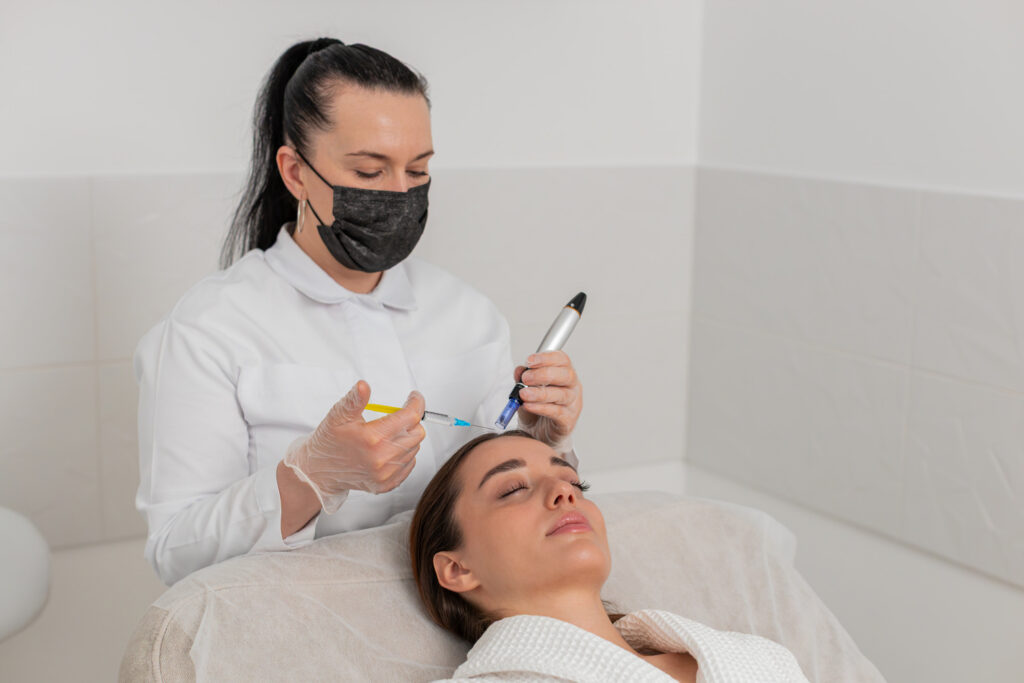
Aesthetic treatment works best when it’s grounded in science, restraint, and consistency. Anti-aging isn’t about erasing every sign of time. It’s about supporting skin so it continues to function, repair, and reflect vitality as the years pass.
When medical spa treatments, advanced skin treatments, and clinical aesthetic procedures are guided by physician expertise, the result is skin that looks healthier, stronger, and naturally refreshed.
At Privvy Modern Health in Chico, CA, anti-aging care is designed to evolve with you—supporting not just how you look today, but how you’ll age tomorrow.
Contact us today to schedule your consultation!