


Bioidentical Hormone Therapy for Women, Testosterone Optimization for Men
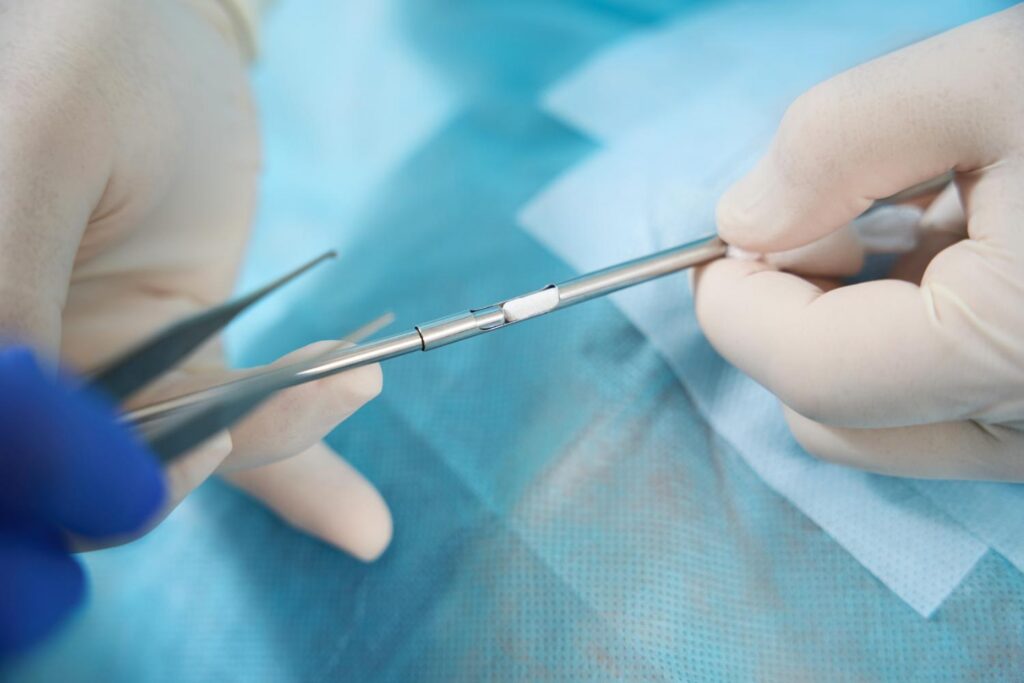
When your hormones are out of balance, it can show up everywhere: energy, mood, sleep, weight, bone health, and skin. For women in perimenopause, menopause, and the postmenopausal years, Dr. Prieto uses bioidentical hormone replacement therapy (BHRT), made from plant-derived hormones molecularly identical to your body’s own, to help restore healthier levels of estrogen, progesterone, and testosterone. For men, the focus is testosterone optimization, often starting with enclomiphene, an oral prescription medication that helps your body increase its own natural testosterone production.
Either way, the goal isn’t just a lab number. It’s addressing the fatigue, mood changes, weight resistance, poor sleep, and diminished libido that can come with hormonal decline.
Because every patient’s hormone picture is different, treatment starts with an extended consultation and full evaluation with Dr. Prieto, not a standard prescription.
Women’s Hormone Management
Bioidentical hormone replacement therapy (BHRT) to help restore healthier levels of estrogen, progesterone, and testosterone through perimenopause, menopause, and beyond.
Men’s Hormone Management
Testosterone optimization, often starting with enclomiphene to help your body increase its own natural testosterone production.
Related Concerns
- Menopause
- Osteoporosis & Osteopenia
- Mood Changes
- Fatigue
- Weight Loss
- Stress, Low Energy & Anxiety
- Brain Fog
FAQs
What’s the difference between bioidentical hormones and traditional HRT?
Bioidentical hormones are molecularly identical to the hormones your body naturally produces. BHRT is used to help restore, rather than simply supplement, a woman’s levels through perimenopause, menopause, and after.
Is BHRT the same as testosterone optimization?
No. BHRT is the approach Dr. Prieto uses for women, balancing estrogen, progesterone, and testosterone together. For men, she uses testosterone optimization, which often begins with enclomiphene to support your body’s own testosterone production before injections are considered.
How do I know if my symptoms are hormone-related?
Fatigue, mood swings, weight gain that won’t respond to diet, low libido, and sleep disruption are common signs. A hormone panel during your consultation helps show what’s actually happening.
How soon will I notice a difference?
This varies by patient and by which hormones are being addressed. Dr. Prieto will walk you through a realistic timeline at your consultation.