
Losing weight can become frustrating when your effort feels bigger than your progress. Hunger, appetite signals, metabolic health, medications, sleep, and underlying medical conditions can all influence weight, which is why telling someone to simply eat less and move more can miss a large part of the picture.
Medical weight loss can take a more individualized approach, and GLP-1 medications may be one tool for appropriate patients. At Privvy Modern Health, the process includes medical assessment, lab work, body composition analysis, vital signs, individualized treatment planning, and ongoing follow-up.
Patients may also receive nutrition and lifestyle support as their plan progresses. If you’re considering GLP-1 weight loss in Chico, keep reading to understand why physician supervision matters before the first dose and throughout treatment.
How Physician Supervision Supports Safer GLP-1 Care
Getting a prescription is only one part of responsible weight management. A physician-supervised program considers whether medication is appropriate, how the patient responds, what side effects develop, and whether the plan continues to make medical sense over time.
1. It Starts With a Medical Assessment
GLP-1 medication shouldn’t begin with nothing more than a questionnaire and a number on the scale. A patient’s overall health matters because weight management is medical care, not simply appetite control.
Privvy Modern Health begins with a comprehensive health assessment. Blood testing, body composition analysis, vital signs, health history, and individual needs can all help shape the plan. That initial evaluation creates an important baseline.
A physician can review existing conditions, medications, previous weight-loss attempts, current symptoms, and other factors before deciding whether medication is appropriate. Patients should also discuss relevant personal and family medical history because some health conditions may affect candidacy or require additional consideration.
This is one of the major purposes of physician-supervised weight loss in Chico, CA. Treatment starts by asking what makes sense for the individual patient rather than assuming the same prescription is appropriate for everyone seeking weight loss.
2. GLP-1s Aren’t Appropriate for Everyone
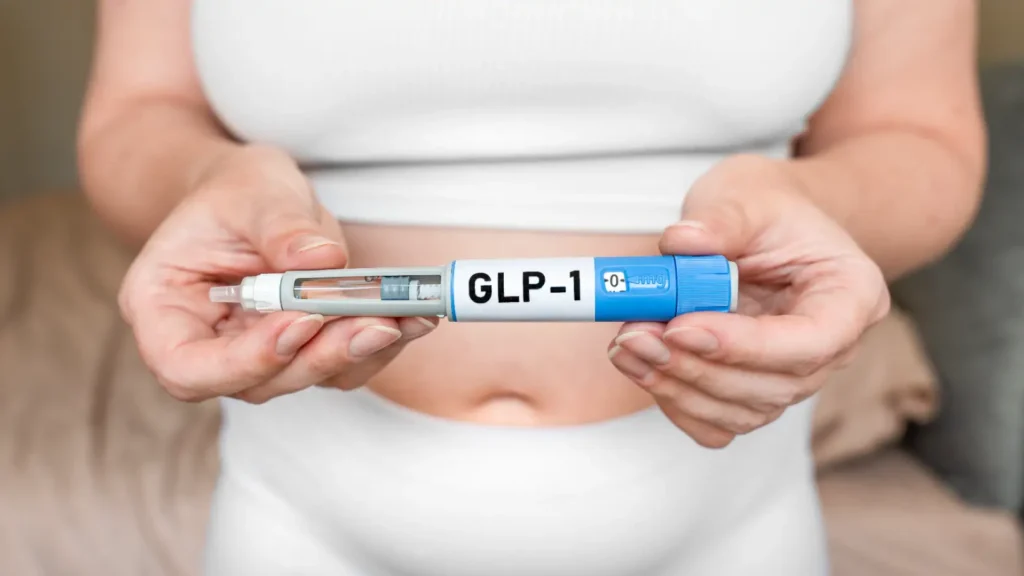
GLP-1-based medications have changed obesity treatment, but popularity doesn’t make them universally appropriate. Like other prescription medications, they have indications, contraindications, warnings, and potential adverse effects.
Semaglutide is a GLP-1 receptor agonist. It influences appetite and food intake while also affecting blood sugar regulation and slowing gastric emptying. Tirzepatide acts on both GIP and GLP-1 receptors. A physician evaluates whether one of these medications fits the patient’s medical circumstances.
That discussion can include gastrointestinal health, kidney issues, gallbladder history, other medications, diabetes treatment, pregnancy considerations, and relevant endocrine history. Product labeling for these medications also includes important contraindications and warnings that should be reviewed before treatment.
For someone looking for GLP-1 medication in Chico CA, the first question shouldn’t simply be, “How quickly can I get it?” A better question is whether the medication is medically appropriate in the first place.
3. Medication Is Chosen for the Patient
Medical weight management isn’t one medication with one dose for every person. Even when two patients have similar weight-loss goals, their medical histories and treatment needs can be very different.
A physician-prescribed GLP-1 in Chico can be selected within that larger health context. Semaglutide and tirzepatide aren’t identical drugs. They act differently, and approved products have specific indications and dosing schedules. A physician can consider the patient’s health history, medications, previous treatment experience, and response when developing the plan.
It’s also important not to treat one medication as universally better. Clinical trials can show average results among study populations, but an individual patient’s experience can differ. Tolerability matters too. A medication that produces impressive averages isn’t particularly useful for a patient who can’t tolerate treatment or for whom it isn’t medically appropriate.
The goal is individualized prescribing, not chasing whichever medication happens to be getting the most attention online.
4. Dosing Should Be Gradual
One of the most important parts of GLP-1 prescribing happens after treatment begins. These medications are generally started at lower doses and increased according to the product’s recommended titration schedule and the patient’s clinical response. There’s a reason for that.
Gastrointestinal side effects are common with GLP-1-based therapy. Nausea, vomiting, diarrhea, constipation, and abdominal discomfort can occur, particularly as the body adjusts or doses increase. Rushing dose escalation isn’t a shortcut to responsible weight loss.
Physician supervision allows the patient’s response to guide treatment decisions. Depending on the medication and clinical situation, a physician may determine whether the next scheduled increase makes sense or whether the current plan needs reconsideration.
Patients pursuing semaglutide weight loss in Chico should understand that tolerating treatment matters more than racing toward a higher dose. The highest dose isn’t automatically the best dose for every patient.
5. Follow-Up Catches Problems Earlier
Starting a prescription and disappearing for months removes one of the most valuable parts of medical weight management: follow-up. Privvy Modern Health incorporates regular visits into its weight-loss process. Progress, habits, and treatment response can be reviewed as the plan continues.
These conversations aren’t only about pounds lost. The physician needs to know how the patient actually feels. Persistent nausea, repeated vomiting, severe constipation, dehydration, significant abdominal pain, dizziness, or difficulty eating adequately shouldn’t be ignored just because the scale is moving downward.
Some symptoms require prompt medical evaluation. Severe or persistent abdominal pain, particularly when accompanied by vomiting, can warrant assessment for complications such as pancreatitis or gallbladder disease. Significant fluid loss from vomiting or diarrhea can also contribute to dehydration and kidney problems.
Ongoing medically supervised weight loss in Chico creates opportunities to identify concerns before a patient simply decides that unpleasant symptoms are “normal.”
6. Lab Work Adds Another Layer
Weight isn’t the only measurement that matters during medical weight management. Laboratory information can provide useful context before treatment and, when clinically appropriate, during follow-up. Privvy’s program includes lab work as part of assessing and monitoring overall wellness.
What needs to be checked can vary from patient to patient. Blood sugar-related markers may be particularly relevant for someone with diabetes or prediabetes. Kidney function, liver health, lipid levels, or other testing may be appropriate depending on medical history, medications, and symptoms.
Lab testing shouldn’t become a ritual where every possible biomarker is ordered without a reason. Its value comes from answering relevant clinical questions and helping the physician understand how the patient’s health is changing alongside weight.
That broader perspective is a defining part of medical weight loss. The objective isn’t merely to make the scale display a smaller number. It’s to manage weight while paying attention to the health of the person losing it.
7. Body Composition Deserves Attention
Weight loss and fat loss aren’t perfectly interchangeable. When body weight drops, the change can include fat mass as well as lean tissue. That makes body composition an important part of the conversation.
Privvy incorporates body composition analysis into its assessment process. This can provide more context than body weight alone and support discussions about nutrition, movement, and maintaining functional muscle during weight loss. Preserving lean mass becomes especially important during substantial weight reduction.
Adequate protein intake and appropriate resistance or strength-based activity may be recommended based on the patient’s health and abilities. The right approach can differ for someone who’s active and healthy compared with someone who has mobility limitations or another medical condition.
This is another reason tirzepatide weight loss in Chico shouldn’t be reduced to how many pounds someone can lose. A dramatic scale change doesn’t automatically tell you whether the patient’s nutrition, strength, and overall health are moving in the right direction.
8. Nutrition Still Matters
GLP-1 medication can change appetite, but eating less isn’t the only goal. Patients still need adequate nutrition. Reduced appetite can make it easier to eat smaller portions. It can also make it easier for some patients to unintentionally fall short on protein, fluids, fiber, or other nutritional needs.
That’s where structured support becomes useful. Privvy’s weight management approach includes weekly counseling, recipe and shopping assistance, and food and pantry guidance. These practical pieces help move the conversation beyond “take the medication and eat less.”
Meals still need a purpose. Protein can support muscle maintenance, fiber can contribute to digestive health, and adequate hydration becomes particularly important if gastrointestinal side effects occur. Food choices can also influence how comfortable some patients feel while using medication. Medication can change appetite signals. It doesn’t replace nutrition.
9. Movement Has a Different Job
Exercise is sometimes presented as punishment for eating or as a way to earn weight loss. A medical program can frame movement much more constructively. Privvy includes movement coaching as part of its approach.
Physical activity can support cardiovascular health, mobility, strength, mood, and the preservation of lean mass. Those benefits remain meaningful even during weeks when the scale changes very little. The right activity level is individual.
A patient who’s already exercising regularly may need a different plan from someone who’s been sedentary, has chronic pain, or is carrying enough excess weight that certain activities are uncomfortable.
Movement should therefore fit the patient’s starting point. That makes it part of sustainable health improvement rather than another extreme rule that becomes impossible to maintain once initial motivation fades.

Keep Medicine in Medical Weight Loss
Weight management can be deeply personal, but it shouldn’t require patients to navigate prescription treatment alone. Medical weight loss with GLP-1 medication works best as medical care: thoughtful evaluation before prescribing, individualized dosing, realistic nutrition support, ongoing monitoring, and attention to side effects as treatment progresses.
At Privvy Modern Health, physician-supervised care keeps those pieces connected for patients considering GLP-1 treatment near Chico. The goal isn’t simply to hand over medication and watch the scale. It’s to build a medically guided plan around the person who’s actually taking it.
Call us now to book your appointment!