

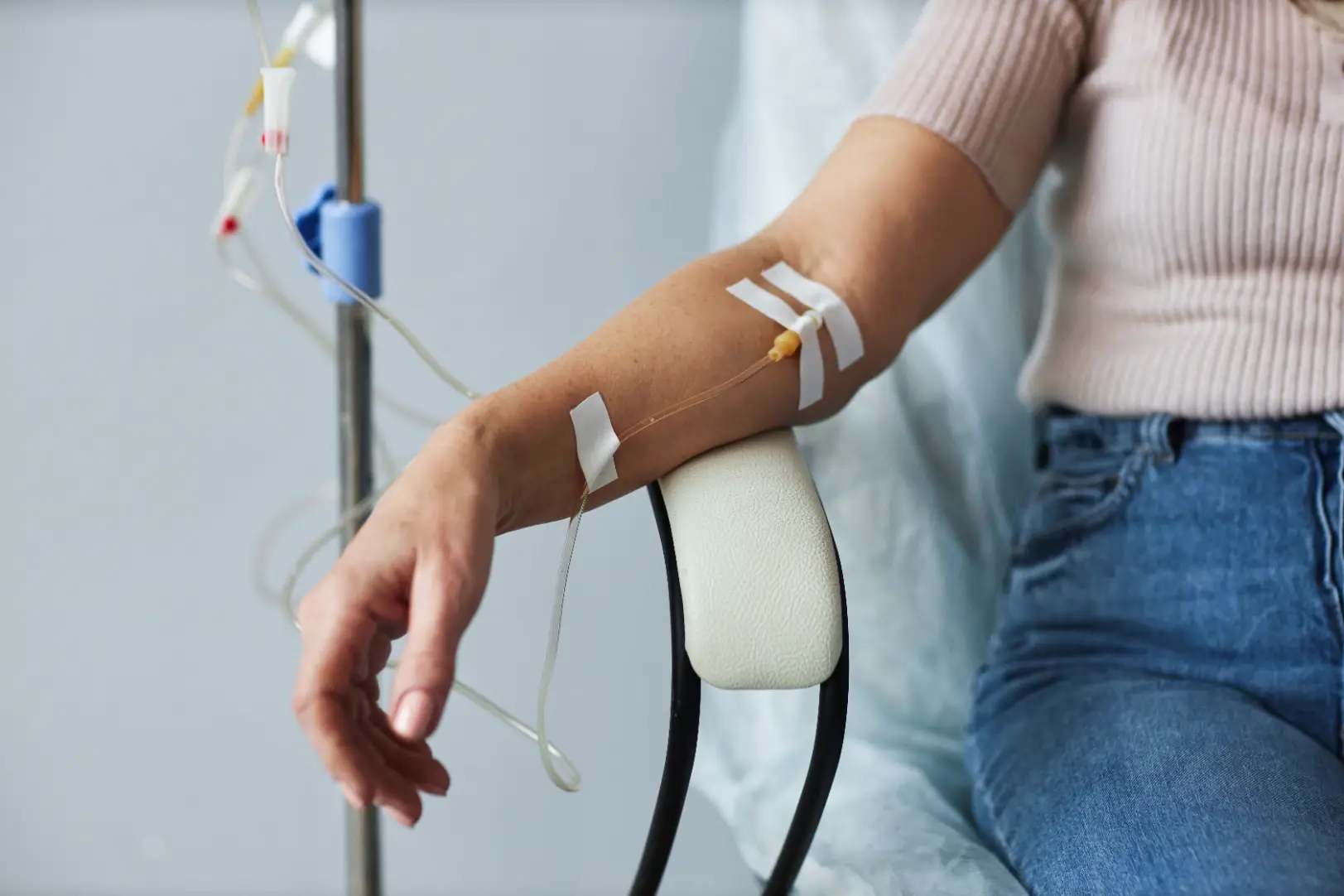
Weight loss is not just about appetite. Patients also need energy, focus, hydration, recovery, and cellular support while their bodies adjust to a new rhythm. NAD+ may help support that process by assisting cellular energy production and healthy repair pathways.
For patients using GLP-1 medications, NAD+ IV therapy can be part of a broader wellness plan that supports how the body feels during weight loss.
Continue reading to find out how NAD+ works, why patients are pairing it with GLP-1 programs, and where it may fit into a smarter long-term strategy.
What Is NAD+?
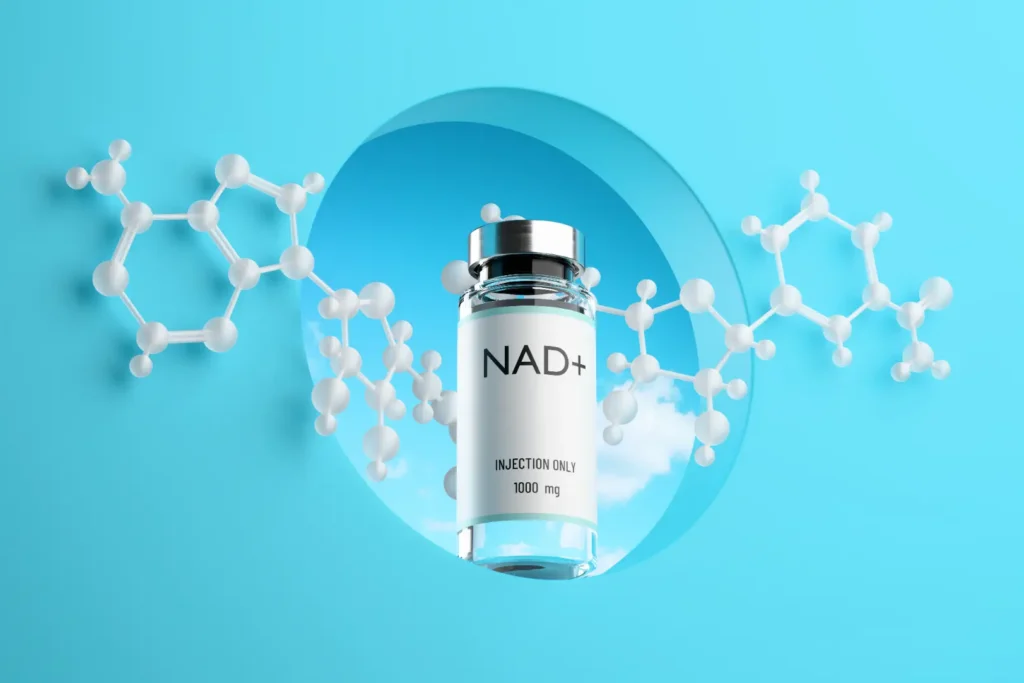
NAD+ stands for nicotinamide adenine dinucleotide, a coenzyme related to vitamin B3 that exists in every living cell. It plays an important role in cellular energy, DNA repair, antioxidant support, gene expression, and overall cellular function.
As referenced in the material, NAD+ IV Therapies are designed to replenish one of the body’s important molecules and support patients who want to feel more energized, focused, and rejuvenated. NAD+ naturally declines with age, which is one reason many wellness-focused patients explore intravenous NAD+ therapy as part of a longevity or performance plan.
Where NAD+ Fits With GLP-1 Care
GLP-1 medications can help patients reduce appetite and support weight loss, but weight management is still a whole-body process. NAD+ may complement that journey by supporting energy, metabolism, and overall wellness while the body changes.
1. It Supports Cellular Energy
Weight loss can feel exciting, but it can also feel draining. When patients are eating less, adjusting portions, or changing routines, energy may fluctuate. NAD+ plays a role in how cells produce energy, especially through mitochondrial function.
That matters because mitochondria are the tiny power plants inside cells. When they are functioning well, the body may feel more capable of handling daily demands.
A NAD+ infusion does not replace nutrition, sleep, or exercise, but it can be a supportive tool for patients who want to feel more energized during a GLP-1 journey.
2. It Can Help Patients Feel More Engaged in Their Plan
A successful weight loss plan is easier to follow when patients feel clear-headed and motivated. Low energy can make healthy meals, movement, hydration, and follow-up appointments feel like a lot. NAD+ drip therapy in California may appeal to patients who want support for mental clarity and overall vitality.
When patients feel better, they may be more likely to stay consistent with the habits that protect GLP-1 results. Weight loss is easier when the body does not feel like it is running on 12% battery.
3. It Complements Appetite-Focused Treatment
GLP-1 medications primarily support appetite control, satiety, and food noise reduction. NAD+ works differently. It is not meant to suppress appetite in the same way.
Instead, NAD+ supports the cellular side of wellness. That makes the pairing interesting: GLP-1 helps with eating patterns, while NAD+ may support energy, repair, and performance. This is why the two can belong in the same conversation without doing the same job.
4. It May Support Metabolic Wellness
Weight loss is not only about seeing the scale move. Patients also want to support metabolism, energy use, and overall health.
NAD+ is involved in many cellular processes tied to metabolism. For patients on GLP-1 medication, NAD+ treatment in Chico may be considered as part of a larger metabolic wellness plan that includes nutrition, hydration, movement, sleep, and medical monitoring.
The best results come from layers of support, not one lonely treatment trying to carry the whole group project.
5. It Can Support Better Recovery
During weight loss, patients may begin exercising more or changing their activity routine. That is excellent, but recovery matters. If the body feels depleted, sore, or sluggish, consistency becomes harder.
NAD+ may support cellular repair and recovery pathways, which can be helpful for patients increasing movement or strength training while on GLP-1 therapy.
A strong weight loss plan should not only make the body smaller. It should help the body feel more capable.
6. It May Help With the “Low Fuel” Feeling
Some patients on GLP-1 medications experience a lower appetite, which can be helpful for weight loss but may also lead to eating too little if not monitored. When calories, protein, fluids, or nutrients drop too low, patients may feel tired or foggy.
NAD+ IV therapy is not a substitute for proper nutrition, but it can be part of a supportive plan when patients are also receiving guidance on food, hydration, and supplementation.
The goal is balance. Weight loss should not feel like disappearing into a pile of protein shakes and exhaustion.
7. It Supports the Longevity Conversation
Many patients using GLP-1 medications are not only trying to lose weight. They are trying to feel younger, move better, improve health markers, and live with more vitality. NAD+ fits into that longevity mindset because it is tied to cellular function, aging pathways, and energy production.
Patients interested in healthy aging may see NAD+ infusion as a natural companion to a medical weight loss plan. The bigger goal is not just weight loss. It is a healthier, more energized future.
8. It Can Help Patients Stay Consistent
Consistency is the magic ingredient that everyone wants, but nobody can order overnight. GLP-1 medications may reduce hunger, but patients still need to show up for appointments, eat enough protein, move their bodies, hydrate, and follow guidance.
When patients feel supported, they are more likely to stay engaged. NAD+ may help patients feel more energetic and focused, which can make daily consistency easier.
That is how supportive therapies can make a difference: not by replacing the plan, but by helping patients keep going.
9. It Pairs Well With Hydration Support
IV therapy also provides a structured wellness appointment where patients can receive hydration and nutrients depending on the formula used. For GLP-1 patients, hydration can be especially important because appetite changes may also affect fluid intake.
Hydration supports digestion, energy, skin appearance, workouts, and overall comfort. When paired with NAD+, the experience can feel like a reset.
A good IV therapy plan should be personalized, not random. The formula should match the patient’s goals and needs.

10. It Supports Brain Fog Concerns
Some patients pursuing weight loss complain about brain fog, especially when they are changing food intake, reducing sugar, adjusting medications, or dealing with stress.
NAD+ is often discussed for mental clarity and cognitive energy because of its role in cellular function. For patients balancing work, family, and weight loss, that support can feel valuable.
Nobody wants to lose weight but feels like their brain is buffering. Wellness support should help the whole patient, not just the scale.
11. It Encourages a More Complete Medical Weight Loss Plan
The best weight loss programs do not stop at medication. They consider food, movement, hydration, labs, symptoms, energy, sleep, stress, and long-term maintenance.
Adding NAD+ IV therapy can signal a more complete approach. It says the goal is not only appetite control. The goal is to help patients feel well while their bodies change. That matters because how patients feel during the process affects whether they continue.
Cellular Support for the Long Game
NAD+ may support GLP-1 results by helping patients focus on energy, cellular wellness, recovery, hydration, and long-term vitality during weight loss. While GLP-1 medications help with appetite and satiety, NAD+ IV therapy can complement the journey by supporting the body at a cellular level.
Privvy Modern Health offers NAD+ IV therapy in Chico, CA, for patients seeking a more complete wellness strategy during weight loss. For those exploring intravenous NAD+ therapy, this supportive approach can help make the weight loss journey feel stronger, clearer, and more sustainable.
Connect with us today to book your appointment!