Fatigue has a way of changing everything. A normal workday feels longer, climbing stairs takes more effort, and even a full night’s sleep may not leave you feeling restored. When iron deficiency is behind those symptoms, replacing iron can help rebuild the body’s supply.
But the right approach isn’t always the same for every patient. Some people respond well to oral supplements, while others may need an IV iron infusion when tablets aren’t effective, aren’t tolerated, or aren’t appropriate for their situation.
Choosing between the two starts with understanding why iron is low and how quickly it needs to be replaced. Keep reading to learn how doctors approach IV iron infusion vs. oral iron and what can make intravenous treatment the more appropriate option.
Iron Does More Than You Think
Iron’s best-known job involves helping the body make hemoglobin, the protein inside red blood cells that carries oxygen. When the body doesn’t have enough iron, it may eventually have difficulty producing enough healthy red blood cells.
Iron deficiency and iron deficiency anemia aren’t exactly the same thing. A person can have depleted iron stores before their hemoglobin falls low enough to meet the definition of anemia. That’s one reason symptoms and laboratory testing need to be considered together.
Possible symptoms can include fatigue, weakness, shortness of breath with activity, headaches, dizziness, reduced exercise tolerance, palpitations, or difficulty concentrating. Some patients also develop unusual cravings for substances such as ice.
Those symptoms aren’t unique to iron deficiency, though. Fatigue can come from thyroid problems, sleep disorders, vitamin deficiencies, chronic illness, medication effects, and many other conditions. Effective iron deficiency treatment therefore begins by confirming that low iron is actually part of the problem.
Pills or IV: What’s the Difference?
Both approaches have the same broad purpose: replacing iron the body needs. The major difference is how that iron gets into the system and what happens along the way.
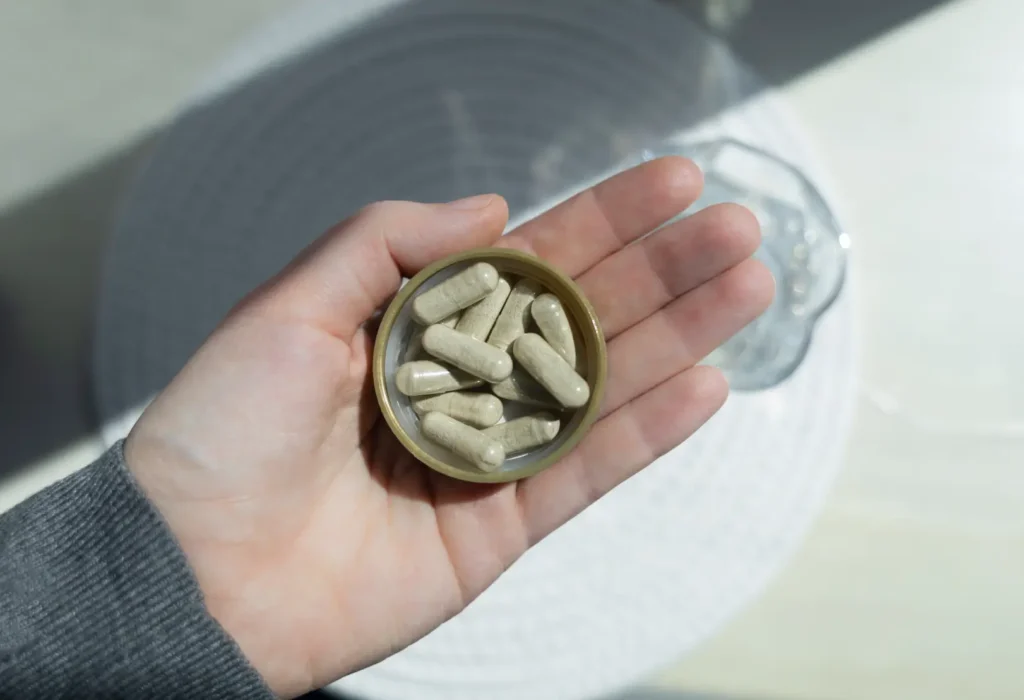
Oral iron travels through the digestive system and must be absorbed through the gastrointestinal tract. It’s widely used because it’s convenient, doesn’t require an IV, and can work well for many patients with uncomplicated iron deficiency.
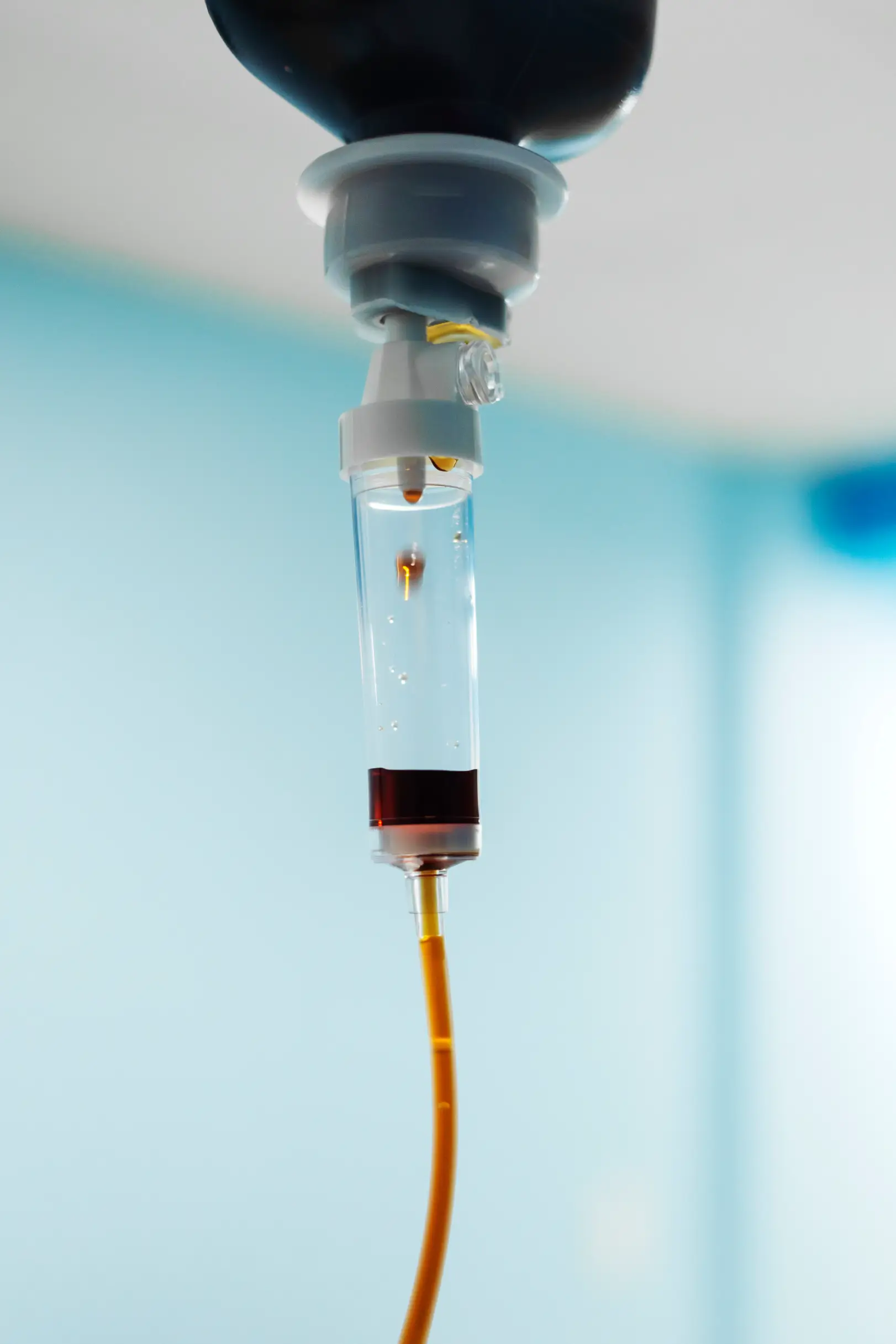
Intravenous iron treatment, on the other hand, delivers iron directly into the bloodstream. It bypasses intestinal absorption entirely. Depending on the formulation, treatment plan, degree of deficiency, and individual medical circumstances, one or more infusions may be recommended.
This doesn’t mean an IV is automatically the “stronger” or better choice. If oral iron is working and a patient tolerates it well, there may be no reason to move to an infusion. The decision becomes more interesting when tablets aren’t accomplishing the job.
When Doctors Consider an IV Iron Infusion
A doctor-recommended iron infusion is based on more than fatigue or the desire to feel energetic again. Physicians consider laboratory findings, symptoms, the reason for the deficiency, previous treatment response, medical history, and whether oral iron is likely to work.
1. Oral Iron Isn’t Raising Your Levels
Taking a supplement isn’t the same as successfully replacing iron. A patient may take oral iron consistently but still show little improvement on follow-up testing.
There can be several explanations. The dose or schedule may not be appropriate, absorption may be poor, blood loss may be continuing, or another medical condition may be interfering with the response.
When oral treatment has been given an appropriate trial without sufficient improvement, iron infusion therapy may provide another route. Because IV iron bypasses the digestive tract, it doesn’t depend on gastrointestinal absorption.
Doctors still need to understand why oral treatment failed. Replacing iron without investigating ongoing losses could temporarily improve the numbers while leaving the underlying problem untouched.
2. Supplements Are Hard on Your Stomach
Oral iron can be difficult for some patients to tolerate. Gastrointestinal side effects may include nausea, abdominal discomfort, constipation, diarrhea, or changes in stool color. Sometimes the problem can be managed by changing the formulation, dose, or schedule. A physician may recommend another strategy before abandoning oral therapy altogether.
For other patients, side effects remain significant enough that consistently taking the medication becomes unrealistic. That’s an important part of the iron supplements vs. infusion decision. A treatment can’t do much good if the patient can’t tolerate it well enough to continue.
IV therapy bypasses the gastrointestinal tract, so it can be considered when oral iron causes persistent digestive problems. It has its own risks, however, which is why switching routes should remain a medical decision.
3. Your Body Isn’t Absorbing Iron Well
You can put iron into the digestive system without necessarily absorbing enough of it. Certain gastrointestinal disorders or procedures can interfere with normal iron absorption.
Examples can include inflammatory bowel disease, celiac disease, and some forms of bariatric or gastrointestinal surgery. Other medical circumstances can also make oral replacement less reliable.
For selected patients with impaired absorption, IV iron for iron deficiency offers a way around the gastrointestinal barrier. Iron is administered intravenously rather than relying on the digestive tract to absorb an oral product.
This is also why simply increasing the number of tablets isn’t always the answer. If absorption is the underlying problem, taking more oral iron may increase side effects without adequately correcting the deficiency.
4. Iron Needs to Be Replaced More Efficiently
Oral iron generally replenishes iron gradually. That can be perfectly appropriate when the deficiency is stable and there’s no clinical need for faster replacement. Some situations call for a different approach.
A physician may consider IV iron when deficiency is more substantial, symptoms are significant, or the clinical circumstances make efficient replacement particularly important. The decision depends on the patient’s diagnosis and overall health rather than an arbitrary ferritin or hemoglobin number.
It’s also important not to confuse intravenous iron with a blood transfusion. Iron infusion therapy provides iron that the body can use to make hemoglobin and replenish iron stores. A blood transfusion provides red blood cells directly and is used in different clinical circumstances.
5. Chronic Conditions Change the Equation
Iron deficiency doesn’t always exist on its own. Chronic diseases can change iron metabolism, absorption, blood production, or ongoing iron requirements.
Patients with chronic kidney disease are one example. Some may need IV iron, particularly when other treatments affecting red blood cell production are involved. Patients with inflammatory bowel disease or certain other chronic conditions may also be considered for intravenous replacement depending on their circumstances.
This makes individualized iron deficiency anemia treatment especially important. A treatment plan shouldn’t be based solely on the fact that someone’s iron is low. The physician also needs to consider kidney function, inflammation, gastrointestinal health, medications, bleeding history, and other relevant factors. The best route is the one that makes medical sense for the person receiving it.
6. Ongoing Blood Loss Needs Attention
Sometimes low iron is a clue rather than the whole diagnosis. Heavy menstrual bleeding is one common cause, but gastrointestinal bleeding and other forms of blood loss can also gradually deplete iron stores. An infusion can replace missing iron, but it doesn’t stop the source of the loss.
That’s why a medical evaluation matters before and alongside treatment. Depending on the patient’s age, symptoms, history, and laboratory findings, additional evaluation may be appropriate to identify why iron keeps dropping.
A doctor-recommended iron infusion can be part of that plan when replacement is needed. It shouldn’t become a substitute for investigating unexplained or persistent iron deficiency.

7. Oral Treatment Simply Isn’t Practical
Treatment needs to work in real life, not just on paper. Some patients struggle with the duration, gastrointestinal effects, or consistency required with oral supplementation. That doesn’t automatically mean an IV is appropriate. It does mean adherence and practicality belong in the conversation.
A physician can weigh those issues alongside laboratory results and medical history. If intravenous treatment is clinically appropriate, it may offer a more practical route for replenishing iron in selected patients.
This is where physician-guided care becomes valuable. The question isn’t “Which treatment sounds easier?” It’s “Which treatment gives this particular patient an appropriate balance of effectiveness, safety, and practicality?”
What Happens Before the Drip?
A good infusion visit begins before an IV is placed. Doctors generally need objective evidence that iron replacement is appropriate and that intravenous treatment makes sense.
Evaluation may include a complete blood count and iron studies such as ferritin and transferrin saturation. Additional testing can be needed depending on the patient’s history and suspected cause. The numbers need context, too.
Ferritin reflects stored iron, but it can also rise with inflammation. That means interpreting iron studies isn’t always as simple as seeing whether one result falls inside or outside a laboratory’s reference range.
Medical history matters just as much. Previous reactions, medications, chronic illnesses, pregnancy status, allergies, and previous iron treatment can influence the plan. That clinical review separates intravenous iron treatment from simply choosing a drip because fatigue sounds like iron deficiency.
Choosing the Right Route
The debate over IV iron infusion vs. oral iron doesn’t need a universal winner. Oral supplements can be effective, affordable, and practical for many patients, while an IV iron infusion can be valuable when absorption is poor, oral treatment isn’t tolerated, replacement needs are greater, or a medical condition makes intravenous therapy more appropriate.
Privvy Modern Health in Chico, CA, offers medically supervised infusion care for patients who may need a more individualized approach to iron replacement. The goal isn’t simply to choose the drip over the pill. It’s to understand what’s causing the deficiency and select an iron deficiency treatment that fits the patient’s medical needs.
Contact us today to book your appointment!