


Fatigue can be easy to excuse. A long week, poor sleep, stress, workouts, parenting, travel, and demanding schedules can all leave the body feeling drained.
But when exhaustion becomes persistent—when rest does not restore you, workouts feel harder, your focus fades, or even simple tasks feel heavy—low iron may be part of the story. Iron infusions can help some patients restore iron more efficiently when oral supplements are not enough, while supplements may still be useful for others with milder needs.
Iron is essential for oxygen transport, energy production, and healthy blood function. When levels dip, the body may feel like it is running on a dimmer switch.
Keep reading to understand the difference between iron supplements and IV options, how each supports the body, and what patients should know before choosing a path.
What Is Iron?
Iron is an essential mineral the body uses to make hemoglobin, a protein in red blood cells that helps carry oxygen from the lungs to tissues throughout the body. Iron also supports muscle function, brain health, immune function, and cellular energy.
Iron levels can become low for many reasons, including heavy menstrual cycles, pregnancy, blood loss, digestive absorption issues, certain diets, chronic inflammation, or medical conditions.
Because symptoms can overlap with many other concerns, lab testing and medical guidance are important before beginning treatment.
Two Paths to Better Iron
Iron supplements and IV iron therapy can both help restore iron, but they work differently. The right option depends on the patient’s levels, symptoms, absorption, tolerance, medical history, and treatment goals.
1. Iron Supplements Work Through Digestion
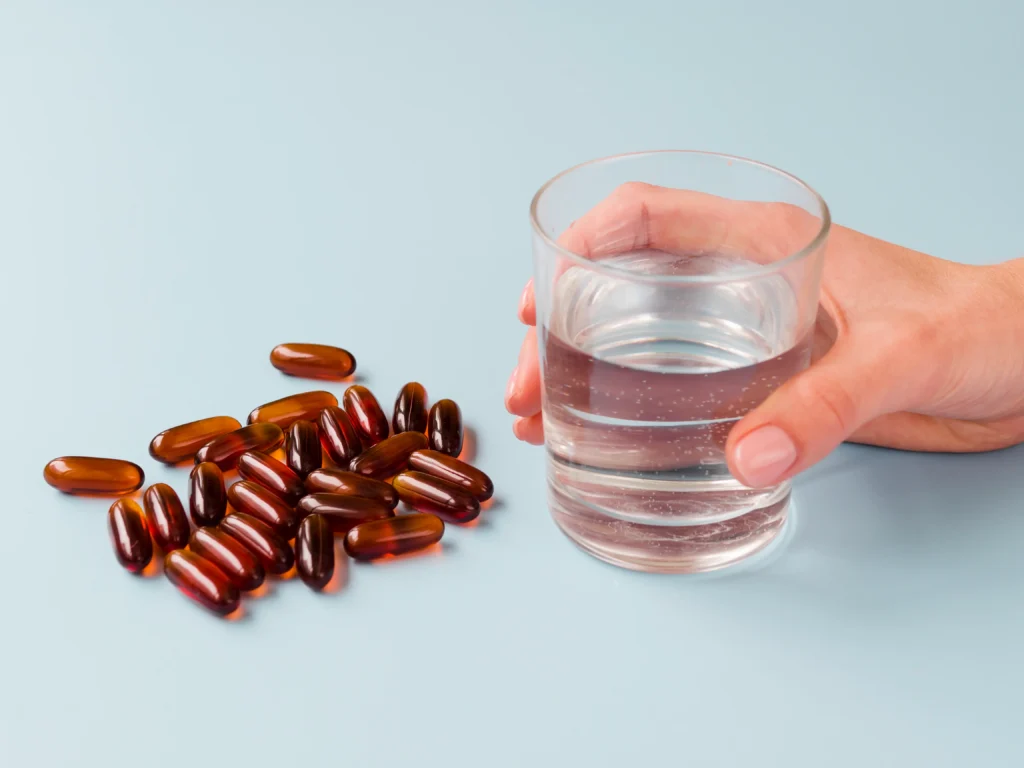
Oral iron supplements are taken by mouth and absorbed through the digestive tract. They are commonly used for mild iron deficiency or ongoing maintenance when the body can absorb iron effectively.
Supplements can be helpful because they are accessible, simple to take, and often appropriate as a first step. For some patients, consistent use over time can gradually improve iron levels.
The key phrase is “over time.” Oral iron usually works slowly. It may take weeks or months to noticeably improve symptoms or lab values, especially if the deficiency is more significant.
2. Iron Infusions Bypass the Gut
Iron infusions deliver iron directly into the bloodstream through an IV. This is why patients searching for intravenous iron treatment in California are often looking for a more direct option.
Because IV iron bypasses digestion, it can be useful for patients who do not absorb oral iron well or who cannot tolerate supplements. It may also be considered when iron levels need to be restored more efficiently under medical supervision.
This makes infusion therapy different from simply taking a stronger supplement. The delivery method changes how the body receives the iron.
3. Absorption Is a Major Difference
Iron supplements depend on digestive absorption, and that absorption can be affected by food, medications, stomach acid levels, gut health, inflammation, and timing.
Some patients take iron faithfully but still struggle to raise their levels. Others experience digestive side effects that make it difficult to stay consistent.
Iron infusions can be considered when absorption is a barrier. By delivering iron intravenously, the treatment avoids many of the obstacles that can limit oral supplementation.
4. Supplements Can Be Gentle for Mild Needs
For patients with mildly low iron or those maintaining levels after treatment, supplements may be a practical choice. They can be taken at home and adjusted based on medical recommendations.
Some patients do well with lower doses, alternate-day dosing, or specific forms of iron that may be easier on the stomach. Vitamin C may also be recommended in some cases to support absorption.
Oral iron can work well when the patient absorbs it, tolerates it, and has enough time for gradual correction.
5. Infusions May Work Faster
For patients with more significant deficiency, poor tolerance, or urgent symptoms, Iron infusions may improve iron stores more efficiently than oral supplements.
Many patients choose to explore iron infusion in Chico, CA, options because they want a monitored treatment that can support faster replenishment. This does not mean every tired patient needs an infusion. It means IV iron may be more appropriate in certain clinical situations. The decision should be based on labs, symptoms, and provider guidance.
6. Side Effects Differ
Oral iron can cause constipation, nausea, stomach upset, dark stools, or abdominal discomfort. These side effects are a common reason patients stop taking supplements before their levels improve.
Iron infusions avoid daily digestive irritation, but they can have their own considerations. Patients may experience temporary fatigue, headache, muscle aches, flushing, or soreness after treatment.
Rare reactions are possible, which is why infusions should be given in a medically appropriate setting. Both options should be approached thoughtfully.
7. Iron Sucrose Infusion Is One IV Option
An iron sucrose infusion is one form of IV iron therapy used to replenish iron stores. Different IV iron formulations may be selected depending on the patient’s needs, medical history, and provider recommendation.
The benefit of having multiple formulations is that treatment can be individualized. The provider can determine the appropriate type, dose, and schedule based on clinical evaluation.
Patients should not choose an iron product based on trend or convenience alone. Iron therapy should be guided by testing.
8. Testing Comes First
Before choosing supplements or an infusion, patients should have appropriate labs. Iron is important, but too much iron can also be harmful.
Providers may look at markers such as ferritin, iron, total iron-binding capacity, transferrin saturation, hemoglobin, and other related values.
These results help determine whether symptoms are truly connected to iron deficiency. Guessing can lead to the wrong treatment. Testing brings clarity.
9. The Cause Matters
Low iron is not always the full diagnosis. It is often a clue. Patients should understand why their iron is low. Heavy periods, gastrointestinal bleeding, low dietary intake, absorption disorders, pregnancy, surgery, inflammation, or certain medications can all contribute.
Treating iron without understanding the cause may lead to repeated deficiency. A good plan looks beyond replacement and asks what is driving the issue.
10. Fatigue May Have More Than One Cause
Iron can help when low iron is contributing to fatigue, but not all fatigue is iron-related. Thyroid issues, vitamin deficiencies, sleep problems, hormone changes, chronic stress, dehydration, and other health concerns can also create exhaustion.
This is why a broader health evaluation can be valuable. Patients may need iron support, but they may also need help with nutrition, hormones, inflammation, or lifestyle wellness. Energy is rarely one-dimensional.
11. Diet Still Supports Iron Health
Even with supplements or infusions, food matters. Iron-rich foods include red meat, poultry, seafood, beans, lentils, spinach, tofu, pumpkin seeds, and fortified foods.
There are two main types of dietary iron: heme iron from animal sources and non-heme iron from plant sources. Heme iron is generally easier for the body to absorb.
Non-heme iron can still be valuable, especially when paired with vitamin C-rich foods. A balanced diet helps support long-term iron maintenance.
12. Timing Can Affect Supplements
Oral iron is often affected by timing. Calcium, coffee, tea, certain medications, and high-fiber foods may reduce absorption when taken too close to iron.
Some patients are advised to take iron away from these items, but the best schedule should be discussed with a provider. The goal is to improve absorption while keeping the routine realistic. A supplement only helps if the patient can take it consistently.
13. Infusions Can Be Helpful for Intolerance
Some patients simply cannot tolerate oral iron. Digestive side effects can make supplementation miserable, especially for patients already dealing with nausea, constipation, or gut sensitivity.
Iron infusions may be considered in these cases because they do not require daily digestive processing. This can be a relief for patients who have tried supplements without success. Comfort and compliance matter. A treatment plan should fit the patient’s body.

Better Iron, Better Energy
Iron infusions and iron supplements can both help restore iron, support oxygen delivery, and improve symptoms connected to low iron when used appropriately. Supplements work through digestion and may be ideal for gradual support, while IV options such as an iron sucrose infusion or other intravenous iron treatment in California may be considered when absorption, tolerance, or a more significant deficiency is a concern.
Privvy Modern Health offers a thoughtful space for patients seeking guidance around fatigue, iron deficiency, and restorative wellness. For those exploring iron infusion in Chico, CA, a personalized evaluation can help determine the safest and most effective path toward better energy and long-term health.
Call us today to schedule your appointment!