


A double chin can remain noticeable even when you feel comfortable with your weight. Genetics, weight changes, and aging can all influence fullness beneath the chin. For adults with suitable fat in this area, Kybella offers an injectable way to reduce it.
Understanding the process helps you look beyond the phrase “fat dissolving.” Keep reading to learn what happens to the treated cells, why changes take time, and what to discuss before choosing treatment.
What Happens Beneath the Chin
Kybella treatment changes the fat tissue in a carefully selected area. Its effects unfold through cell destruction and the body’s gradual removal of damaged tissue, with several practical implications for patients.
1. Placement Comes First
The process begins with identifying the fat that can be treated appropriately. Kybella is FDA-approved to improve moderate to severe fullness associated with fat beneath the chin in adults. Its approved use is limited to this submental area.
Your provider examines the pocket beneath your chin and identifies its boundaries. The intended treatment layer sits below the skin and above a thin neck muscle called the platysma. Nearby nerves, blood vessels, and glands make this an area where anatomical knowledge matters.
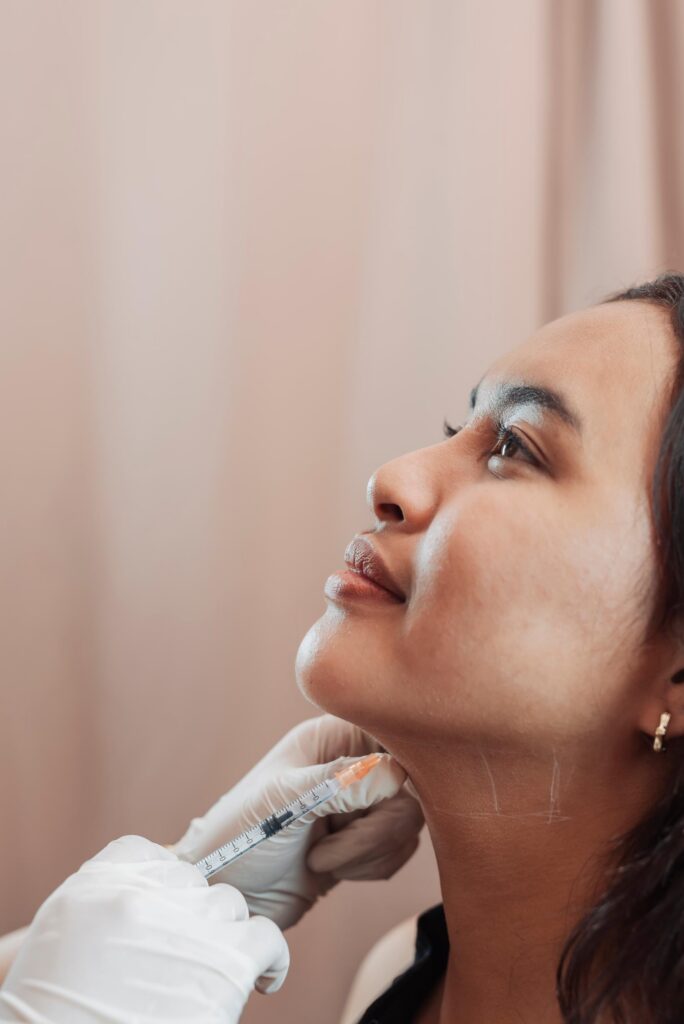
A double chin injection appointment involves multiple small injections across the planned treatment area. The provider may mark the skin with a grid to guide placement. The amount of medication and number of injections depend on the area being treated.
Cold packs or local anesthetic may help with comfort. Ask what sensations to expect and how your provider will manage them, especially if injections make you nervous. Having that conversation beforehand gives you a clearer picture of the visit.
2. Fat Cell Membranes Break Down
So, how does Kybella work at the cellular level? Its active ingredient is synthetic deoxycholic acid, a manufactured form of a molecule that also occurs naturally in the body. Naturally occurring deoxycholic acid helps with the breakdown and absorption of dietary fat.
When injected into the intended fat layer, the medication disrupts fat cell membranes. These membranes form the cells’ outer boundaries. Once that boundary is damaged, the affected cells break down and die.
You may see this described as “deoxycholic acid fat dissolving.” The phrase is convenient, but the underlying action is cell destruction. The medical term is cytolysis, which simply means a cell breaks apart.
This explains why treatment placement is so important. The medication can damage other tissues if injected incorrectly. A naturally occurring ingredient still requires careful medical administration when used in an injectable treatment.
Fat cells can change in size as they store or release energy. During weight loss, many of those cells become smaller rather than disappearing. Kybella is intended to reduce the number of functioning fat cells within the injected area.
That distinction helps explain why treatment can alter a localized contour even when your body weight stays similar. A provider can discuss how much fat is present and how your profile might respond if some of it is removed. This is one reason a consultation includes a physical examination rather than relying on your weight alone.
3. The Body Clears Cell Debris
After the affected cells break down, your body begins clearing the remaining material. This involves an inflammatory response and immune cells that help remove damaged tissue.
One group of immune cells, called macrophages, helps take up cellular debris and released fat. A small human study examined treated abdominal fat and documented this cleanup response. It helps explain the biology, although it does not predict the recovery timetable for every chin treatment. The body processes the cleared material through its usual metabolic pathways over time.
That sequence explains why submental fat reduction happens gradually. The medication starts the process, but your body still needs time to respond. You should not expect the pocket beneath your chin to disappear while you are in the treatment chair.
Swelling can temporarily make the area look fuller during this period. The amount of swelling does not reliably tell you how much improvement you will eventually see. Your provider assesses progress after the early reaction has settled.
There is no need to judge your outcome from a photograph taken the next morning. Follow the recovery instructions you receive and keep your follow-up visits, where changes can be assessed in context.
4. Sessions Build on Progress
The number of appointments depends on your starting point and your response. If you are asking, “How many Kybella treatments do I need?” an examination is more useful than a standard package description.
The approved course allows up to six sessions, with at least one month between treatments. Your provider considers the amount and distribution of fat, your goals, and how the area responds. Some patients stop before reaching the maximum.
You may hear that visible improvement can appear after two to four sessions. That does not mean everyone finishes within that range. In clinical studies, 59% of participants receiving Kybella completed all six treatments.
The interval between visits allows time to evaluate both improvement and recovery. An additional session should follow an assessment of the remaining treatable fat and any side effects. More injections are not automatically the right answer to every concern.
Before starting, ask about the possible overall cost and the time you may need to set aside. A realistic plan includes appointments, recovery, and reassessment.
5. Contours Emerge Gradually
The visible goal is a reduction in fullness beneath the chin. As the treated area settles, the transition between your chin and neck may become more defined.
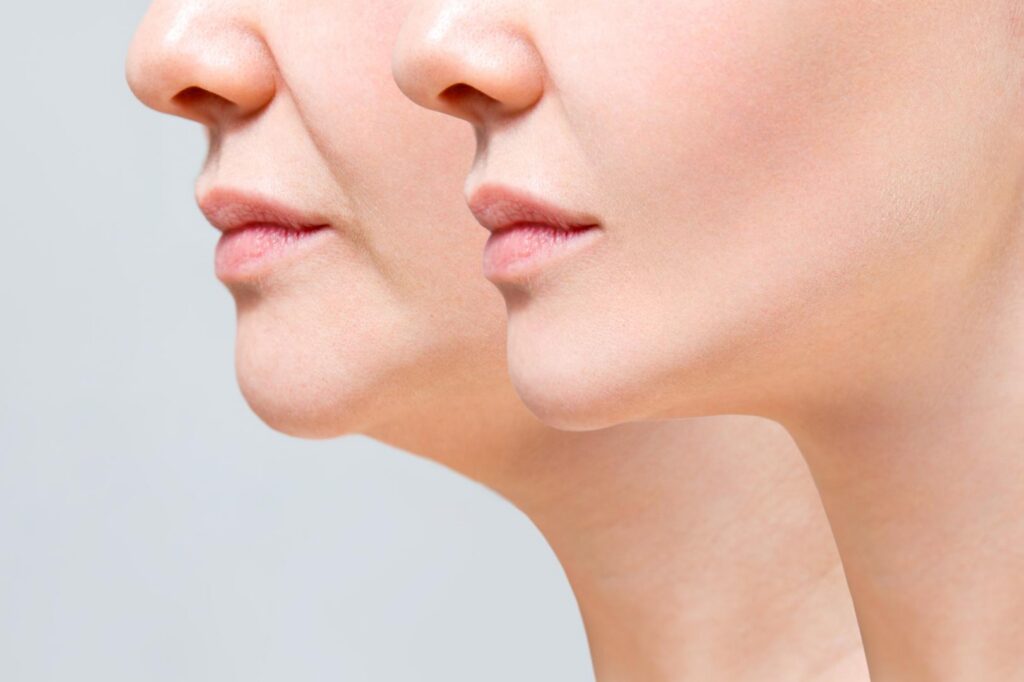
Kybella before and after photographs can help you understand the range of possible changes. Look for similar lighting, head position, and camera distance. Tilting the chin upward or changing the angle can make a profile appear different without showing a treatment effect.
Ask when the photographs were taken and how many sessions the patient received. Also ask whether other procedures contributed to the result. Those details make a comparison more useful than a dramatic image on its own.
Your own progress photographs can provide a more consistent reference than checking the mirror repeatedly. Small changes are easier to evaluate when the images follow the same setup.
Final assessment may take several months after the last session. Keep the focus on your agreed treatment goals, since another patient’s starting anatomy and response may differ from yours.
6. Cell Loss Can Last
The question “Is Kybella permanent?” needs a careful answer. The fat cells destroyed by treatment cannot continue storing fat, which supports a lasting reduction in the treated pocket.
Research following patients who had already responded to treatment found that many maintained improvement for three years. That finding supports durability among responders. It does not promise the same degree of improvement for every person who starts treatment.
Living fat cells remain in the area, and they can enlarge with weight gain. Your skin and other facial tissues also continue to change with age. A lasting effect on treated cells therefore does not freeze your profile in time.
Maintaining a stable weight can help preserve the contour you achieve. If fullness changes later, a new assessment can identify whether remaining fat, loose skin, or another factor is responsible.
Once the desired outcome is reached, further Kybella treatment is generally not expected. Discuss any later changes with your provider before assuming you need another course.
7. Recovery Deserves Planning
A nonsurgical procedure can still cause noticeable changes while the area recovers. Common reactions include swelling, bruising, pain, numbness, redness, and firmness beneath the chin.
Some patients experience pronounced swelling for up to two weeks. Certain symptoms can last longer, and individual recovery varies. Consider work, photographs, and social commitments when choosing an appointment date, especially for your first session.
Ask for written instructions about comfort measures and activity. Also ask how to contact the practice if a symptom concerns you. Having those details before you leave is more helpful than trying to remember everything later.
Important risks include nerve injury that affects the smile, difficulty swallowing, infection, and skin damage. Persistent nodules or masses can also develop and may require medical treatment. These are reasons to take new or worsening symptoms seriously.
Seek prompt medical attention for an uneven smile, difficulty swallowing, open sores, worsening pain, or persistent lumps. Do not assume every change is a routine part of the process. Your treating provider can assess what is happening and advise you.
8. Candidacy Shapes the Outcome
Kybella candidacy depends on what is creating the fullness and whether treatment fits your health history. Fat reduction alone may not give the desired result when loose skin or prominent neck muscle bands are the main concern.
Your provider should also check for other causes of fullness, such as an enlarged thyroid or lymph nodes. This assessment helps distinguish a cosmetic fat pocket from something that needs medical evaluation.
An infection in the treatment area rules out injections at that time. Kybella should be avoided in patients with current or previous swallowing difficulties because it may worsen the problem. Discuss bleeding problems and any previous procedures involving your face or neck. Share all medications and supplements, particularly medicines that affect blood clotting.
Pregnancy and breastfeeding also belong in the conversation because safety information is limited. Do not stop prescribed medication on your own to prepare for an appointment.
For non-surgical chin contouring, a useful goal is improvement that suits your anatomy. Ask what Kybella can reasonably change and whether another approach would better address your concern.
A Clearer Plan for Your Profile
At Privvy Modern Health in Chico, CA, we offer Kybella consultations that consider your health history, aesthetic goals, and treatment expectations. We can help you understand whether reducing submental fat is a suitable way to address the fullness you notice.
Schedule a consultation to discuss Kybella, the likely treatment course, and recovery planning. Bring your questions so you can make an informed decision about your next step.