

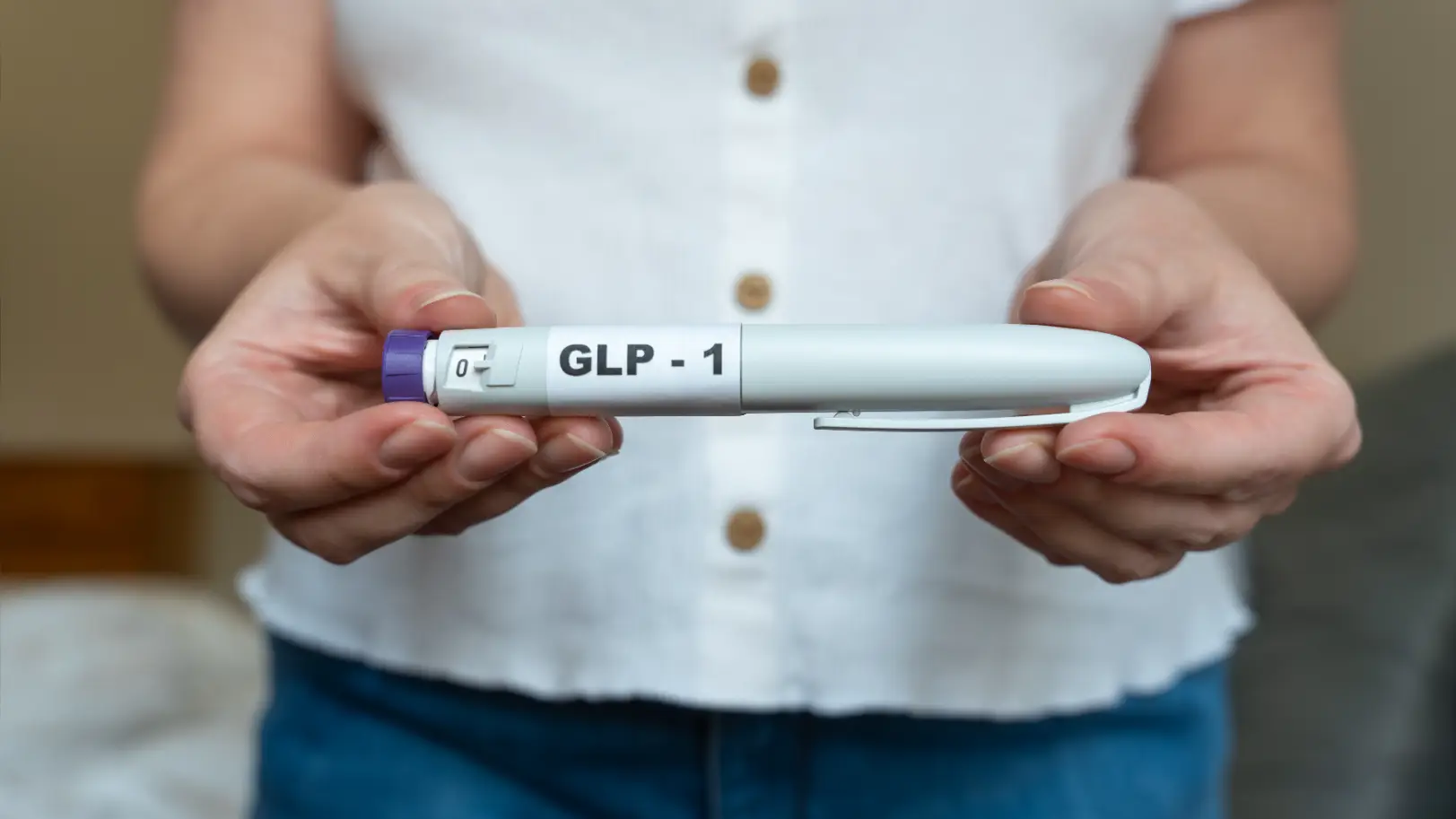
Losing excess weight is a major win, but keeping it off is where the real strategy begins. GLP-1 medications can help patients manage appetite, cravings, and food noise while building healthier habits with medical guidance.
The strongest plans do not stop at weight loss. They include maintenance, support, and smart adjustments so patients can protect their results long-term.
Keep reading to learn how a GLP-1 maintenance dosing protocol can help make weight loss feel less like a sprint and more like a sustainable lifestyle shift.
What Is GLP-1?
GLP-1 stands for glucagon-like peptide-1, a hormone involved in appetite regulation, digestion, blood sugar response, and satiety. GLP-1 medications are commonly used in medical weight loss because they help patients feel fuller longer, reduce cravings, and support more consistent eating patterns.
As referenced in the material, a complete medical weight loss program may include Semaglutide treatment, medical supervision, lab work, food and pantry management, recipe guidance, movement coaching, and wellness support. That bigger picture matters because medication alone is not the whole story.
A GLP-1 is not a magic wand. It is a tool. The real success comes from using that tool inside a thoughtful, medically guided plan.
Why Maintenance Is the Main Character
The goal is not only to lose weight. The goal is to keep the progress without feeling like every meal is a mental battle. That is where nuanced maintenance protocols become essential.
1. Maintenance Starts Before the Goal Weight
A strong plan does not wait until the final pounds are gone to talk about maintenance. The maintenance phase should be built while the patient is still losing weight, because habits, appetite patterns, and lifestyle structure need time to settle.
This is where a metabolic weight maintenance program becomes so valuable. Patients can begin learning how their hunger changes, what portion sizes feel sustainable, how protein and hydration affect energy, and what triggers old patterns.
The point is not to make the medication do all the work. The point is to use the weight loss phase to build a life the patient can actually maintain.
2. Dosing Should Be Personalized
A GLP-1 maintenance dosing protocol should not look identical for every patient. Some patients may need ongoing support at a lower dose. Others may need more structured follow-up before reducing. Some may do well with gradual spacing or adjusted frequency, depending on provider guidance and response.
This is why medical supervision matters. Weight history, appetite return, side effects, lifestyle, labs, and metabolic health all influence the plan.
Personalized dosing helps patients avoid the all-or-nothing trap. Maintenance is not “stay on forever at the same intensity” or “stop immediately and hope for the best.” It is more nuanced than that.
3. Low-Dose Support Can Help Appetite Stay Predictable
For some patients, low-dose GLP-1 continuation therapy may help keep appetite and cravings more stable after active weight loss. This can be especially helpful if food noise returns quickly or if hunger feels difficult to manage after reducing medication.
The goal is not to suppress appetite so much that eating becomes joyless. It is to support a calmer relationship with food so the patient can make choices without constant internal negotiation.
Long-term appetite support can be the difference between maintaining progress and feeling like the body is pulling hard in the opposite direction.
4. Semaglutide Maintenance Requires Strategy
Semaglutide long-term maintenance is not just about staying on medication. It is about finding the right rhythm for the patient’s body and lifestyle.
A provider may evaluate how the patient responds over time, whether weight is stable, whether cravings are returning, and how well the patient is maintaining nutrition and movement habits. Adjustments should be based on real progress, not guesswork.
This thoughtful approach helps patients feel supported instead of abandoned after the active weight loss phase.
5. Weight Regain Is Not a Character Flaw
Weight regain can happen because appetite hormones, metabolism, stress, sleep, and old habits all influence the body. When patients stop GLP-1 therapy suddenly or without a plan, appetite may return strongly.
Weight loss maintenance after GLP-1 should be treated like a medical and lifestyle phase, not a moral test. Patients need support, monitoring, and tools. That shift matters. It removes shame and replaces it with strategy, which is much more useful.
6. Food Guidance Keeps Results Grounded
The referenced program includes food and pantry management, recipe guidance, and restaurant recommendations. That is important because maintenance happens in normal life, not in a perfect meal-prep fantasy.
Patients need to know what to eat at home, what to order when dining out, how to handle weekends, and how to shop without turning every grocery trip into a personality crisis.
Nutrition support keeps the plan practical. It helps patients build a routine that does not collapse the minute life gets busy.
7. Movement Coaching Supports Metabolism
Movement is not just about burning calories. It helps preserve muscle, support metabolism, improve energy, and make the body feel stronger after weight loss.
A GLP-1 plan that includes movement coaching can help patients avoid losing strength while losing weight. This is especially important because muscle plays a major role in long-term metabolic health.
The goal is not punishment workouts. It is a movement that patients can repeat, enjoy, and build into real life.
8. Lab Work Adds Clarity
Lab monitoring can help providers understand the bigger health picture. Weight loss may improve certain markers, but patients still benefit from follow-up to track wellness, safety, and metabolic response.
Labs can also reveal issues that may affect energy, cravings, fatigue, or weight maintenance. Without monitoring, patients may rely only on the scale, which does not tell the full story. The best maintenance plans look at the body comprehensively.
9. Counseling Helps With the Human Side
Weight loss is emotional. Patients may deal with changing habits, social pressure, body image shifts, stress eating, or fear of regaining weight.
Weekly counseling or coaching can help patients build awareness around food behaviors and emotional triggers. This support can be especially important during maintenance, when the excitement of active weight loss may slow down.
Keeping weight off requires more than discipline. It requires understanding patterns and building better responses.
10. Maintenance Dosing Can Reduce the “Rebound” Feeling
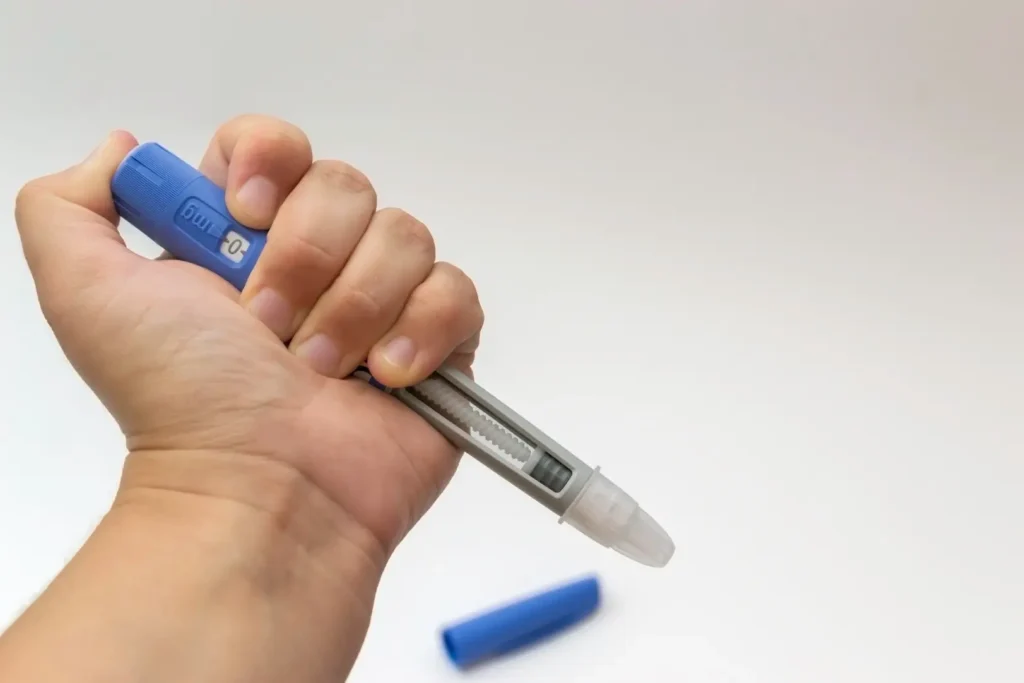
Some patients describe feeling like hunger, cravings, or food noise comes roaring back when medication is stopped too abruptly. A nuanced maintenance plan may reduce that rebound by tapering, adjusting, or continuing at a lower level when appropriate.
This is where long-term appetite control treatment becomes valuable. It helps patients transition more gradually instead of feeling like they went from support to survival mode overnight. A softer landing can create better long-term success.
Keeping the Win
GLP-1 treatment can help patients lose excess weight by supporting appetite control, satiety, and better eating patterns, but long-term success depends on what happens after the active weight loss phase. A thoughtful GLP-1 maintenance dosing protocol can support weight loss maintenance after GLP-1 with personalized dosing, food guidance, movement coaching, lab monitoring, and ongoing accountability.
Privvy Modern Health in Chico, CA, supports patients who want a more strategic path forward with medical weight loss and long-term maintenance planning. With the right approach, GLP-1 care can become more than a starting point—it can become the structure that helps patients keep the win.
Call us today to book your consultation!