


When people think about injectables, the conversation often revolves around visible results—smoother skin, softened lines, restored volume. What’s discussed far less, yet matters far more, is how those results are achieved. Injectables are medical treatments performed in one of the most complex anatomical regions of the body, where millimeters matter and anatomy varies significantly from person to person.
Safety is not a bonus feature of injectables; it is the foundation on which every good outcome rests. The truth many patients don’t realize is that injectables don’t fail because the products are ineffective—they fail when anatomy is misunderstood. Blood vessels, nerves, muscles, and fat compartments intersect beneath the skin in intricate patterns.
Medical training equips providers to navigate this landscape responsibly, reducing risk while enhancing precision. If you’re considering injectables, understanding why professional expertise matters is one of the most empowering steps you can take.
Why Qualified Medical Professionals Matter
Injectables demand more than steady hands. They require deep anatomical knowledge, clinical judgment, and accountability.
- Advanced Understanding of Facial Anatomy. Registered medical professionals are trained to recognize variations in facial structure, vascular pathways, and muscle movement. This knowledge helps reduce complications and improves aesthetic balance.
- Clinical Decision-Making Skills. Medical training teaches providers how to assess risk, respond to unexpected reactions, and adjust treatment plans safely. This level of judgment cannot be replicated through brief certification courses.
- Commitment to Patient Safety. Licensed professionals follow medical protocols, sterile technique, and ethical standards. These safeguards protect patients before, during, and after injectable treatments.
- Accountability and Oversight. Medical providers operate under regulatory oversight, creating accountability that prioritizes patient well-being. This structure reinforces trust and professionalism.
Because injectables are medical treatments, not cosmetic accessories, we offer injectables exclusively through trained, registered professionals.
What Are Injectables?
Injectables are non-surgical treatments designed to modify muscle activity or restore volume beneath the skin. The two most common categories are neuromodulators and dermal fillers.
Neuromodulators, such as Botox and Dysport, temporarily relax targeted muscles to soften expression lines. Dermal fillers—most commonly hyaluronic acid fillers—add volume, contour facial features, and support skin structure.
Whether addressing fine lines or restoring facial harmony, injectables require precision that extends far beyond surface-level technique.
How Medical Training Shapes Safer, Better Injectable Outcomes
Injectables are often perceived as simple aesthetic procedures, but beneath the surface, they involve one of the most anatomically complex regions of the body. The face is a layered system of muscles, blood vessels, nerves, and fat compartments that vary significantly from person to person.
Medical training equips injectors to interpret these structures in real time, make informed adjustments, and anticipate how treatments will behave both immediately and over months or years.
When injectables are performed by medically trained professionals, safety and aesthetics are not separate goals—they are inseparable outcomes of the same expertise.
1. Precise Knowledge of Vascular Anatomy
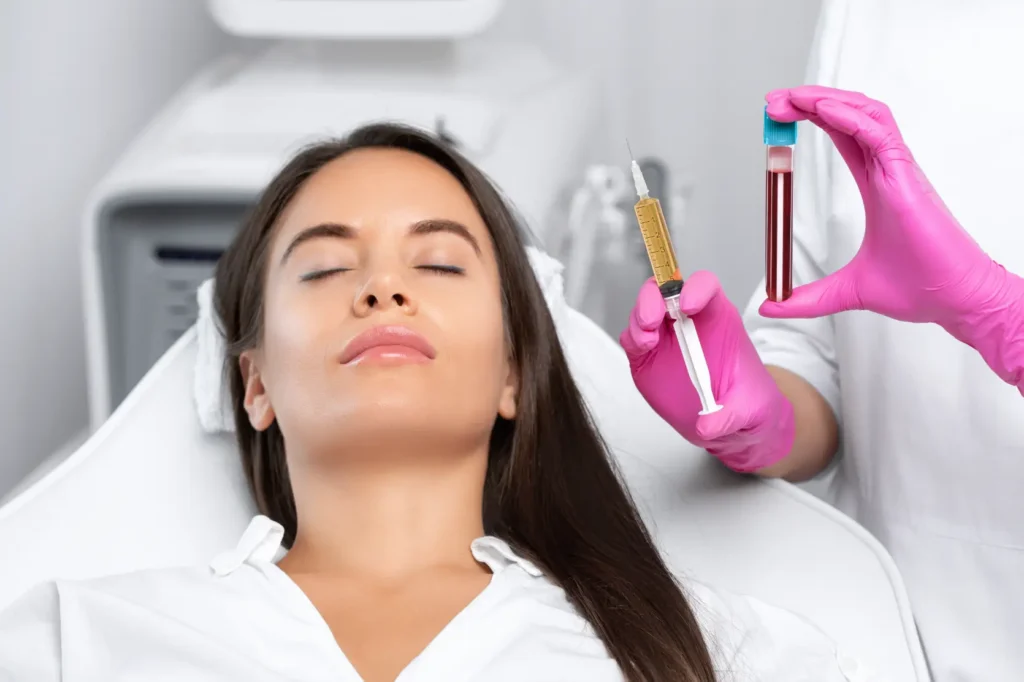
The facial vascular system is intricate, with arteries and veins running close to common injection sites in the lips, cheeks, nose, and forehead. Medical training provides a detailed understanding of where these vessels typically travel, as well as how anatomical variations can alter risk from one patient to the next.
This knowledge allows injectors to choose safer entry points, adjust depth and angle, and modify technique as needed. Just as importantly, it teaches providers when not to inject in certain areas, reducing the likelihood of vascular complications that can arise from misplaced filler.
2. Understanding Muscle Dynamics
Facial movement is driven by overlapping muscle groups that create expression, symmetry, and nuance. Injectors trained in facial anatomy understand how these muscles interact and how relaxing one area can influence movement elsewhere.
With neuromodulator injections, this insight allows providers to soften lines without flattening expression. Instead of a frozen look, patients benefit from results that respect natural movement and maintain facial character.
3. Customized Product Selection
Not all injectables behave the same way once placed in the skin. Differences in viscosity, elasticity, and cohesiveness affect how a product integrates with tissue and holds shape over time.
Medical providers are trained to match product properties to anatomical needs, whether refining cheek filler results or restoring subtle volume. This prevents issues like migration, overfilling, or unnatural texture that can occur when product choice is driven by trends rather than anatomy.
4. Safer Lip Augmentation
The lips contain delicate vascular structures and play a critical role in speech, expression, and sensation. Medical training teaches injectors how to enhance lip volume while preserving function and symmetry.
This approach supports balanced lip filler before and after results that look proportional and feel natural. By respecting anatomical boundaries, medically trained injectors reduce the risk of vascular compromise and uneven outcomes.
5. Informed Comparison of Neuromodulators
Choosing between options like Botox vs Dysport requires more than brand preference. Each neuromodulator differs in diffusion pattern, onset time, and duration, which influences how it performs in different muscle groups.
Medical training allows providers to select and dose neuromodulators based on muscle strength, facial anatomy, and patient goals. This leads to more predictable results and fewer touch-ups over time.
6. Managing Complications Effectively
Even with meticulous technique, complications can occasionally occur. Medical professionals are trained to recognize early signs of issues such as vascular compromise, excessive swelling, or asymmetry.
This training allows for prompt intervention and appropriate management, minimizing risk and supporting patient safety. The ability to respond clinically—not reactively—is a key distinction of medically led injectable care.
7. Ethical Treatment Planning
Medical education emphasizes patient-centered decision-making, including understanding when treatment may not be appropriate. This includes recognizing anatomical limitations, unrealistic expectations, or situations where restraint serves the patient best.
Ethical planning protects patients from overcorrection and unnecessary procedures. It also fosters trust by prioritizing long-term well-being over short-term aesthetic gain.
8. Long-Term Facial Balance
Injectables influence how the face ages, not just how it looks immediately after treatment. Medically trained providers consider how volume placement and muscle modulation will affect facial balance over time.
This long-term perspective helps prevent the cumulative effects of overfilling and supports results that age gracefully rather than distort facial proportions.
9. Cost Transparency and Value
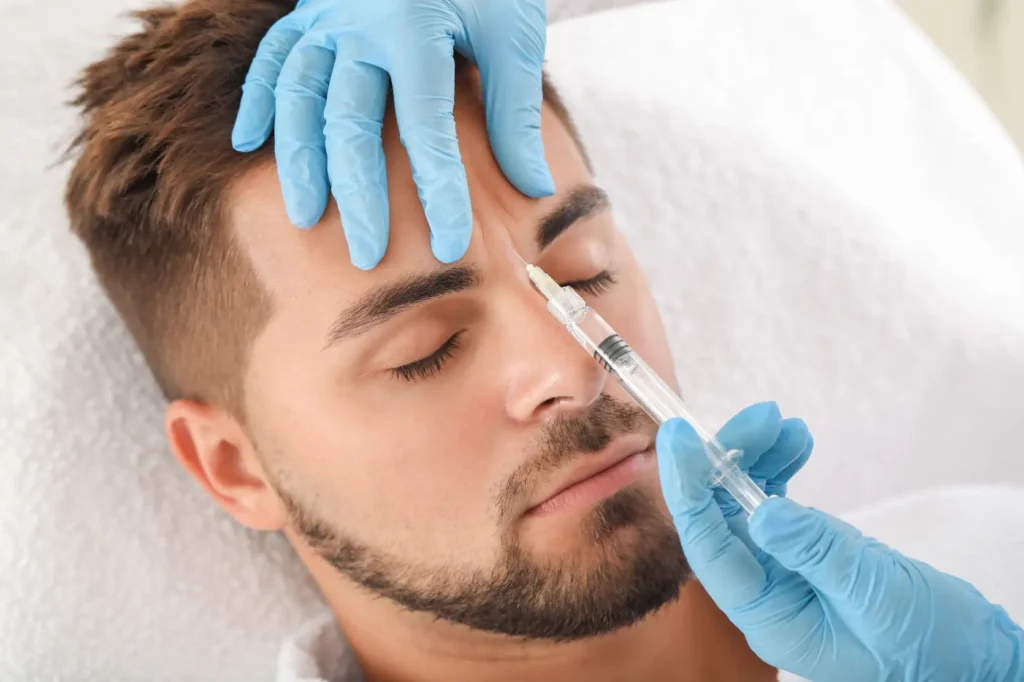
Understanding dermal fillers cost requires clinical context. Medical providers explain pricing based on product type, amount used, longevity, and safety considerations rather than presenting cost as a standalone figure.
This transparency allows patients to weigh value alongside outcomes, helping them make informed decisions without pressure or confusion.
10. Respect for Individual Anatomy
No two faces share the same structure, proportions, or movement patterns. Medical training emphasizes assessment over assumption, teaching providers to evaluate each patient’s anatomy before making treatment decisions.
This individualized approach is what separates refined, natural-looking results from generic outcomes. By adapting technique to the person rather than the template, medically trained injectors deliver results that feel personal and authentic.
Safety Is the Real Result
Beautiful results are meaningful only when they’re achieved safely. Injectables performed with a deep understanding of facial anatomy protect patients while enhancing natural features. Medical training doesn’t just reduce risk—it elevates outcomes, trust, and long-term satisfaction.
At Privvy Modern Health in Chico, CA, injectables are approached through a medical lens that prioritizes anatomy, safety, and thoughtful planning. This commitment allows patients to pursue aesthetic goals with confidence rather than uncertainty.
Call us today to schedule your appointment!