
Acne can disappear while leaving behind a reminder that’s much harder to ignore. Depressions, rough patches, enlarged-looking pores, and uneven texture can remain long after active breakouts settle. Skincare may soften some of these changes, but deeper scarring often needs a treatment that reaches beyond the surface. That’s where CO2 laser skin resurfacing and RF microneedling can offer two very different paths toward smoother-looking skin.
At Privvy Modern Health, Dr. Prieto takes a personalized approach rather than choosing treatments based on trends. CO2 laser resurfacing removes damaged surface tissue while stimulating collagen, while RF microneedling combines tiny needles with radiofrequency energy delivered into deeper skin. Neither is automatically the better option for every scar or patient.
Continue reading to see which factors can guide the decision when texture and acne scarring are the main concerns.
How Dr. Prieto Chooses Between CO2 Laser and RF Microneedling
A comparison of CO2 laser vs. RF microneedling starts with the skin rather than the device. Scar type, treatment depth, pigmentation risk, laxity, downtime, and personal goals can all influence which approach makes more sense.
1. She Starts With the Type of Scar
Acne scars sound like one concern, but scars don’t all behave the same way. Some form shallow depressions. Others create deeper pits, broad rolling changes, or sharply defined indentations.
That difference matters because no single device is automatically the best treatment for acne scars. CO2 laser resurfacing can be particularly useful when scarring is accompanied by significant surface irregularity. The carbon dioxide laser precisely targets damaged skin, prompting regeneration while encouraging collagen production beneath the treated area.
RF microneedling takes another route. Tiny needles create controlled microchannels, while radiofrequency energy is delivered deeper into the tissue. That combination stimulates a wound-healing response and collagen and elastin production without relying on the same degree of surface ablation.
Dr. Prieto can therefore look at what is creating the uneven appearance before recommending a modality. A patient with pronounced surface damage may have different needs from someone whose scars are accompanied by laxity or enlarged-looking pores.
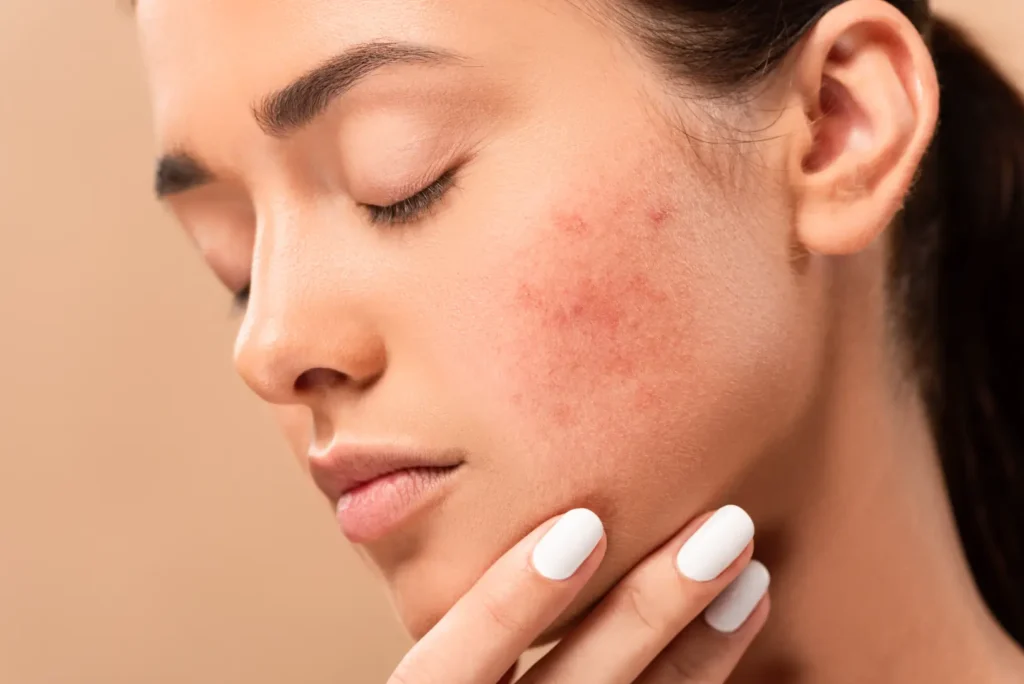
2. Surface Damage Can Point Toward CO2
When texture changes are concentrated at the surface, CO2 laser resurfacing has an important advantage: it directly resurfaces damaged skin.
The laser uses controlled carbon dioxide energy to remove targeted outer layers while generating thermal effects that stimulate collagen remodeling. As healing progresses, fresh skin replaces treated tissue and the surface can gradually look smoother.
That makes CO2 particularly relevant when the concern includes a combination of:
- Acne scars
- Fine lines and wrinkles
- Rough or uneven texture
- Sun damage
- Uneven-looking tone
- Other superficial textural irregularities
The treatment can address several visible signs of skin damage during the same resurfacing process. However, greater resurfacing also means more consideration around recovery. Redness, swelling, peeling, crusting, sensitivity, and lingering pinkness can occur depending on treatment intensity.
So the question isn’t simply whether CO2 can improve the concern. Dr. Prieto also has to consider whether the patient is a suitable candidate for the level of resurfacing required.
3. Deeper Remodeling Can Favor RF Microneedling
RF microneedling is often discussed alongside CO2 because both treatments stimulate collagen, but they don’t reach the skin in the same way.
During RF microneedling, tiny needles penetrate the skin and create controlled microchannels. Radiofrequency energy then travels through those needles into targeted deeper layers, where heat stimulates a remodeling response. This makes RF microneedling especially interesting when the treatment goal extends beyond surface renewal.
At Privvy Modern Health, RF microneedling is used for concerns that include acne scars, large-looking pores, fine lines, and skin laxity. The combination of mechanical microneedling and RF energy gives the treatment both a collagen-remodeling and skin-firming component.
For a patient whose texture concerns occur alongside mild laxity, this can influence the decision. RF microneedling doesn’t need to remove outer skin layers in the same manner as ablative CO2 resurfacing to trigger deeper remodeling. That fundamental difference is one of the most important things to understand when comparing the two treatments.
4. Texture Severity Shapes the Plan
A little roughness isn’t the same as deeply established scarring. Dr. Prieto can assess how much correction the skin actually needs before recommending a treatment. This avoids an aggressive procedure when a less intensive approach may reasonably address the concern.
For more pronounced surface texture and photoaging, CO2 resurfacing may offer a stronger resurfacing effect. The treatment can remove damaged outer tissue while encouraging new collagen development as the skin heals.
RF microneedling can make sense when texture improvement and deeper collagen remodeling are priorities without the same degree of ablative surface treatment. This is why searching RF microneedling vs. CO2 laser won’t produce one correct answer for everyone.
The better question is what kind of texture you have. A patient with acne scars, sun damage, and etched lines may be approaching treatment from a very different starting point than someone bothered by mild scarring, enlarged-looking pores, and early laxity.
Treatment intensity should follow the problem rather than the popularity of the device.
5. Skin Laxity Changes the Conversation
Scarring doesn’t always exist on otherwise firm skin. As collagen changes with age, some patients notice that old acne scars seem more visible because the surrounding skin isn’t as firm as it once was. That can make RF microneedling especially relevant.
Radiofrequency energy generates controlled heat in deeper tissue while the microneedles create microchannels. This process stimulates collagen and elastin remodeling and can support firmer-looking skin.
CO2 treatment also promotes collagen production and can improve firmness as part of the resurfacing process. Still, its particular strength lies in combining collagen stimulation with direct surface renewal. The decision therefore becomes more nuanced.
If laxity is playing a meaningful role in how the texture looks, RF microneedling may deserve more consideration. If extensive surface damage is the dominant concern, CO2 may be a stronger fit.
Some patients have both. That’s why treating the face rather than a device checklist makes a difference.
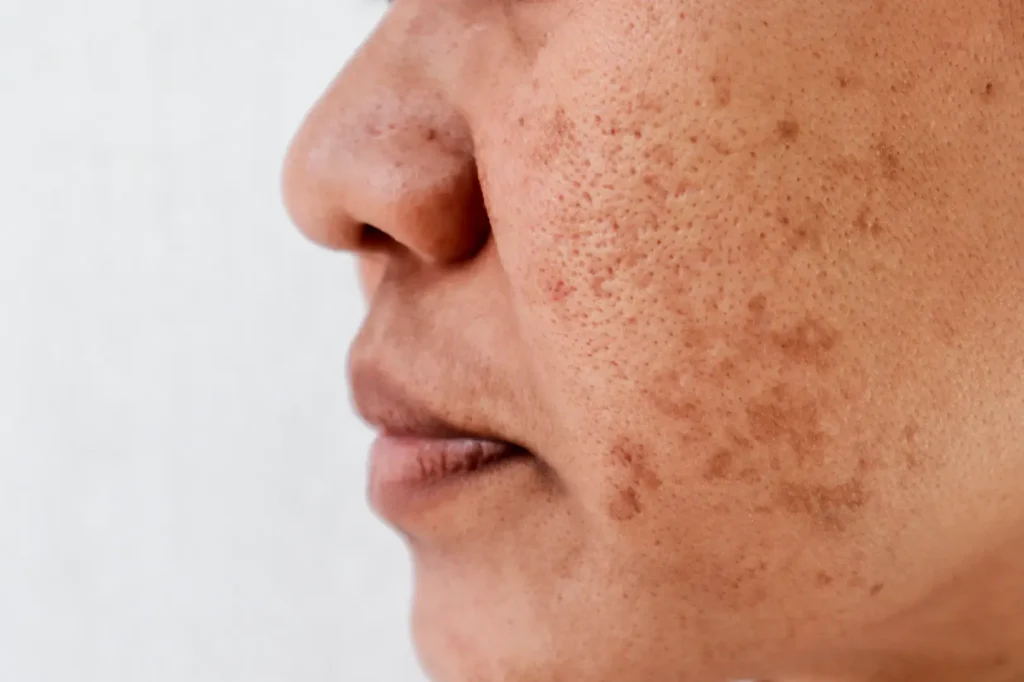
6. Pigmentation Risk Deserves Attention
One of the most important parts of treatment selection happens before either device touches the skin. Laser resurfacing creates controlled thermal injury. Depending on skin type, treatment intensity, recent sun exposure, and a patient’s history, there can be a risk of post-inflammatory hyperpigmentation or other pigment changes.
This is particularly important for patients who naturally have more melanin or who know their skin tends to develop dark marks after irritation. RF microneedling delivers RF energy below the surface through needles and relies less on light interacting with pigment.
That characteristic may make it useful for a broader range of patients in certain circumstances, although RF microneedling can still cause adverse effects and isn’t risk-free. Dr. Prieto’s individualized assessment becomes important here.
Skin tone alone doesn’t decide the treatment. Pigmentation history, scarring tendency, previous procedures, medications, active conditions, sun exposure, and the specific device settings all deserve consideration.
A technically powerful treatment isn’t valuable if it creates unnecessary risk for the individual receiving it.
7. Downtime Can Help Decide
Sometimes two treatments could reasonably address a concern, but only one fits the patient’s life. CO2 laser resurfacing typically involves more visible healing because damaged surface tissue is intentionally treated. The exact recovery period depends on the depth and settings used.
Patients may experience swelling, redness, peeling, crusting, or sensitivity. Some redness can persist after the initial surface recovery. RF microneedling also has downtime, but the experience is different. Redness, swelling, sensitivity, pinpoint marks, or temporary roughness may occur after treatment.
For someone who can’t accommodate a longer or more visible recovery period, this distinction can influence treatment planning. But downtime shouldn’t be the only factor.
Choosing the lightest procedure solely because you want to be camera-ready tomorrow can lead to disappointing expectations if the treatment isn’t strong enough for the concern. The goal is to find a reasonable balance between correction and recovery.
8. Your History With Treatments Matters
Skin doesn’t arrive at a consultation as a blank canvas. Perhaps you’ve already had traditional microneedling. Maybe you’ve tried chemical peels, resurfacing treatments, prescription skincare, or previous laser procedures.
Those experiences provide useful information. If a patient has undergone several superficial treatments with limited improvement in deeper scars, simply repeating the same approach may not be the most productive strategy. Dr. Prieto can consider whether the treatment needs to reach a different depth or use another mechanism.
Previous reactions matter just as much as previous results. A history of prolonged redness, pigmentation changes, cold sores, abnormal scarring, or poor wound healing should be discussed before resurfacing.
Patients should also share current medications and skincare products. Retinoids, exfoliating acids, prescription products, and other treatments may need special consideration before or after a procedure. Your provider needs the complete story, not just the treatment you’re interested in today.
Let Your Skin Choose the Treatment
The question of CO2 laser vs. RF microneedling doesn’t need a universal winner. CO2 can provide substantial surface resurfacing and collagen stimulation, while RF microneedling uses microchannels and radiofrequency energy to support deeper remodeling, firmness, and smoother-looking texture.
At Privvy Modern Health in Chico, CA, treatment begins with understanding the scar, skin, recovery needs, and goals behind the concern. With a personalized plan, CO2 laser skin resurfacing and RF microneedling can each have a clear place in improving scarring and texture without forcing every patient into the same solution.
Contact us today to book your appointment!