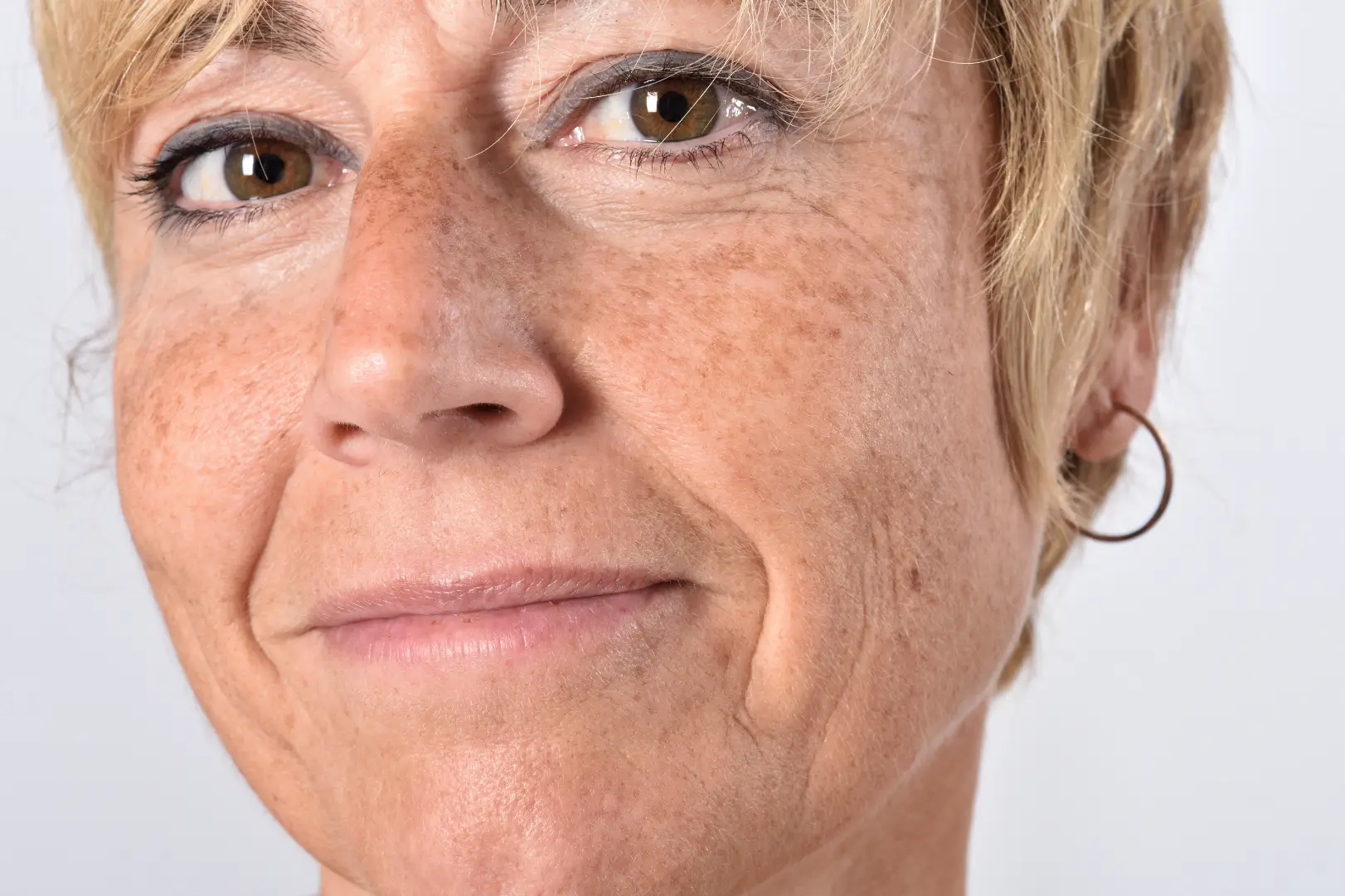
Age spots have a way of making themselves noticeable when you least expect it. One day, your complexion looks relatively even. Then you catch your face in bright natural light and notice small brown patches that seem darker or more numerous than you remember. They may be harmless reminders of years spent outdoors, but that doesn’t mean you have to love how they look.
For appropriately selected patients, CO2 laser skin resurfacing offers a more intensive approach to treating visible sun-damaged skin. The laser removes controlled portions of damaged outer skin while stimulating the healing and collagen-remodeling processes beneath it. The result can be smoother, more even-looking skin along with improvements in other signs of photoaging. Keep reading to understand where age spots come from, how CO2 resurfacing addresses them, and what you should know before deciding whether treatment belongs in your skin rejuvenation plan.
Why Those Spots Appear
Before treating pigmentation, it helps to understand why it developed in the first place. What looks like an overnight change in the mirror can actually represent years of accumulated exposure.
If you’ve ever searched what cause age spots on skin, sunlight is one of the biggest pieces of the answer. Age spots, often called solar lentigines, tend to develop on areas that have received substantial ultraviolet exposure over time.
That’s why they’re common on the:
- Face
- Forehead and temples
- Cheeks
- Hands
- Shoulders
- Upper chest
- Other frequently exposed areas
UV radiation stimulates melanin production as part of the skin’s protective response. After years of exposure, pigment can become concentrated in certain areas, creating flat tan, brown, or darker spots.
Age is associated with them largely because cumulative exposure increases over time. You don’t suddenly develop age spots simply because you reach a particular birthday. And despite their name, they aren’t something that only older adults experience.
Someone with extensive lifetime sun exposure may notice pigmentation much earlier than another person of the same age. Genetics and skin characteristics can influence the picture too.
Are They Really Age Spots?
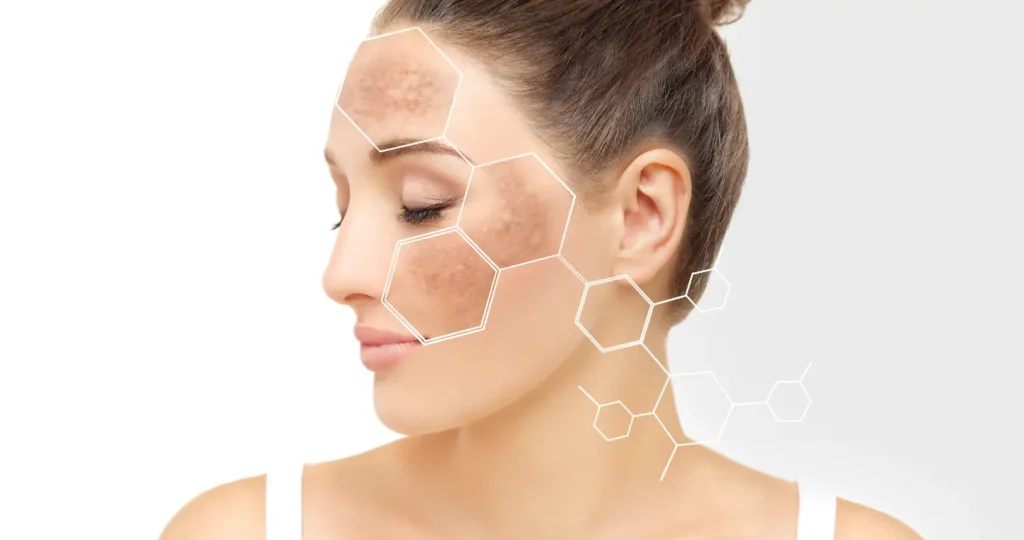
There’s an important step between noticing a brown mark and booking treatment for age spots on the face: determining what the mark actually is. Not every dark area is an age spot, and cosmetic treatment shouldn’t begin with guesswork.
Freckles, post-inflammatory hyperpigmentation, melasma, seborrheic keratoses, and other pigmented lesions can sometimes resemble sun spots. Certain skin cancers may also present as changing or unusual pigmented lesions. That means a new or suspicious spot shouldn’t simply be lasered away.
Pay particular attention to a lesion that changes in size, shape, or color, develops irregular borders, looks noticeably different from surrounding spots, bleeds, itches persistently, or otherwise concerns you. It should receive appropriate medical evaluation before cosmetic treatment.
This matters even more when someone searches how to get rid of black age spots on face. A very dark or black lesion shouldn’t automatically be assumed to be a routine age spot. Once a pigmented lesion has been appropriately assessed and considered suitable for cosmetic resurfacing, the conversation can shift toward treatment.
How CO2 Laser Addresses Age Spots
CO2 resurfacing doesn’t work like a brightening cream applied at home. It creates a controlled treatment response in damaged skin, which is why both its potential benefits and recovery deserve careful consideration.
1. It Resurfaces Sun-Damaged Skin
Age spots don’t exist in isolation from the skin around them. For many patients, they’re one visible feature of broader photodamage. CO2 laser skin resurfacing uses carbon dioxide laser energy to target damaged skin. Depending on the device and settings, fractional CO2 treatment creates microscopic treatment columns while preserving surrounding areas that assist with healing.
As damaged surface tissue is removed and replaced during the healing process, visible pigmentation can become less noticeable. This resurfacing action is one reason CO2 laser treatment for age spots can be particularly interesting for patients who aren’t dealing with pigmentation alone.
Maybe the spots bother you most, but you also notice roughness, fine lines, or a generally weathered appearance. Rather than treating one brown mark while ignoring the surrounding photoaging, resurfacing can address multiple aspects of skin quality.
2. It Targets More Than Color
Age spots may be the reason you start researching treatment, but sun exposure changes more than pigment. Years of UV exposure also affect collagen and other components responsible for the skin’s structure. That can contribute to fine lines, roughness, and loss of elasticity.
CO2 resurfacing creates controlled thermal effects that stimulate a wound-healing response and collagen remodeling. As the skin heals, patients may notice improvements in texture and smoothness in addition to changes in visible pigmentation.
This dual action separates resurfacing from a product whose only goal is to make a brown spot look lighter. It also explains why results aren’t immediate. The resurfacing component requires healing first, while collagen remodeling continues gradually over the weeks and months that follow. What you see once peeling has stopped isn’t necessarily the final result.
3. It Can Treat a Broader Area
Sometimes there’s one age spot you can point to immediately. More often, years of sun exposure create a scattered pattern across the cheeks, temples, forehead, or other areas. That’s when overall skin quality becomes part of the discussion.
CO2 resurfacing can be customized to the treatment area and concern. Rather than thinking only in terms of erasing individual dots, your treatment plan can consider the broader pattern of sun damage. This doesn’t mean every freckle needs to disappear.
Natural skin has pigment variation. The goal is generally to improve unwanted signs of damage and create a smoother, more even-looking complexion rather than produce artificially uniform skin. That difference may sound subtle, but it creates much healthier expectations for treatment.
4. It Supports Skin Renewal
One of the most appealing aspects of resurfacing is that the visible treatment is followed by a biological healing process. CO2 laser energy creates a controlled injury, and the skin responds by repairing treated tissue.
Freshly healed skin may appear smoother and brighter once the initial recovery period has passed. Deeper collagen remodeling continues afterward. That’s why asking can you get rid of age spots doesn’t have a simple yes-or-no answer.
Appropriate sun spots can often be lightened substantially with professional treatment, but individual results differ. The type and depth of pigmentation, treatment intensity, skin tone, healing response, and future sun exposure all influence the outcome.
A treated spot can also improve without making you permanently immune to new pigmentation. Your skin still remembers the sun.
5. It Can Address Texture at the Same Time
Take a close look at chronically sun-exposed skin, and you’ll often see more than discoloration. Texture can become rougher, fine lines more apparent, and pores may seem more noticeable. CO2 resurfacing can address these concerns alongside pigmentation.
For some patients, that’s a meaningful advantage. If the treatment plan only lightened a few spots while leaving significant textural damage untouched, the complexion might still not look as refreshed as they hoped. Resurfacing allows the conversation to become broader.
Instead of asking only, “How do we remove this spot?” you can ask, “What aspects of sun damage are actually making my skin look older?” Sometimes pigment is only one part of the answer.
6. Treatment Intensity Can Be Customized
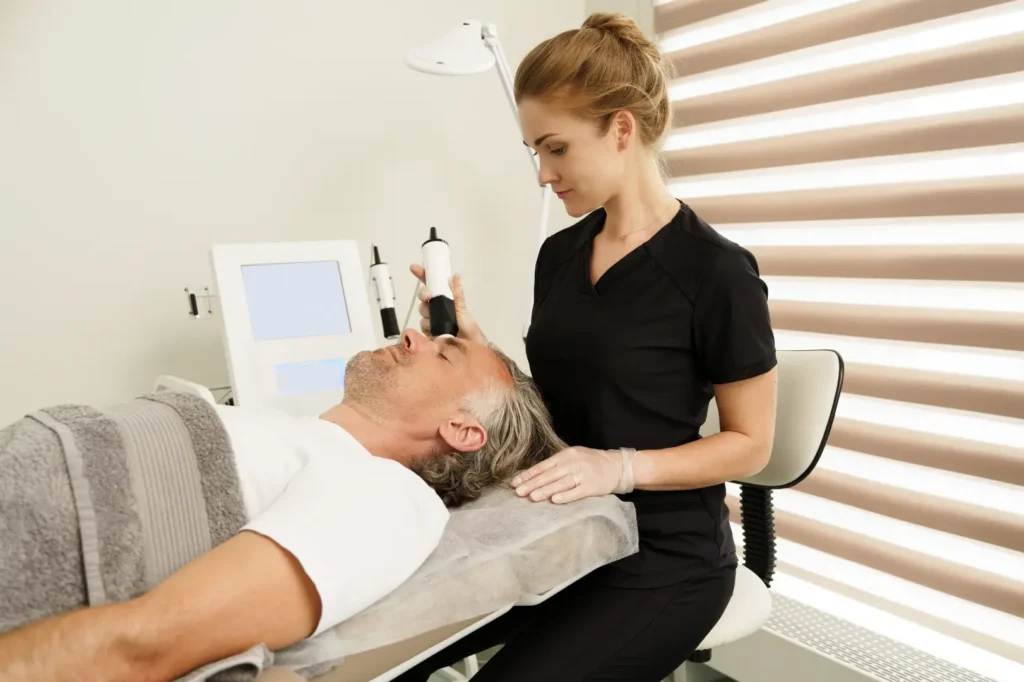
CO2 resurfacing isn’t one standardized treatment performed at the same intensity on everyone. Settings can be adjusted according to the concern, treatment area, skin characteristics, and desired level of resurfacing. That flexibility matters because there’s a relationship between treatment intensity and recovery.
A more aggressive treatment may create a stronger resurfacing effect, but it also asks more from your skin during healing. A lighter approach may involve an easier recovery but could require different expectations or additional treatment. More energy isn’t automatically better.
The appropriate approach is the one that balances your concerns, skin characteristics, tolerance for downtime, and realistic goals. That decision should happen during consultation rather than being based on someone else’s before-and-after photograph.
Give Sun Damage a Smarter Plan
Age spots may represent years of accumulated sun exposure, but you don’t have to approach them one brown mark at a time. CO2 laser skin resurfacing can address appropriate pigmentation while also improving texture and other visible signs of photoaging, giving selected patients a more comprehensive approach to skin renewal.
At Privvy Modern Health in Chico, CA, your skin can be evaluated before treatment to determine whether CO2 resurfacing fits your pigmentation, skin characteristics, and goals. A personalized plan can help you move beyond simply covering age spots and toward treating sun-damaged skin with greater purpose.